 (585) 405-4375
 contact@echotonemusic.net




Behind The Weeknd’s Concert Sound: The Technology You Never See
As the lights dim and the first synth heavy chords of "Blinding Lights" ripple through the stadium, tens of thousands of fans erupt in unison. Abel Tesfaye, better known as The Weeknd, strides onto the stage, his voice cutting through the chaos like a laser crystal clear, immersive, and larger than life. But what makes this sonic spectacle possible? It's not just the artist's raw talent it's the invisible army of cutting edge technology working tirelessly behind the scenes. In this deep dive, we'll uncover the rarely discussed audio innovations powering The Weeknd's tours, from wireless mic mysteries to towering speaker arrays. Whether you're a live sound enthusiast, a tech geek, or a die-hard XO fan, prepare to explore the hidden world of concert audio engineering that turns stadiums into sonic wonderlands.
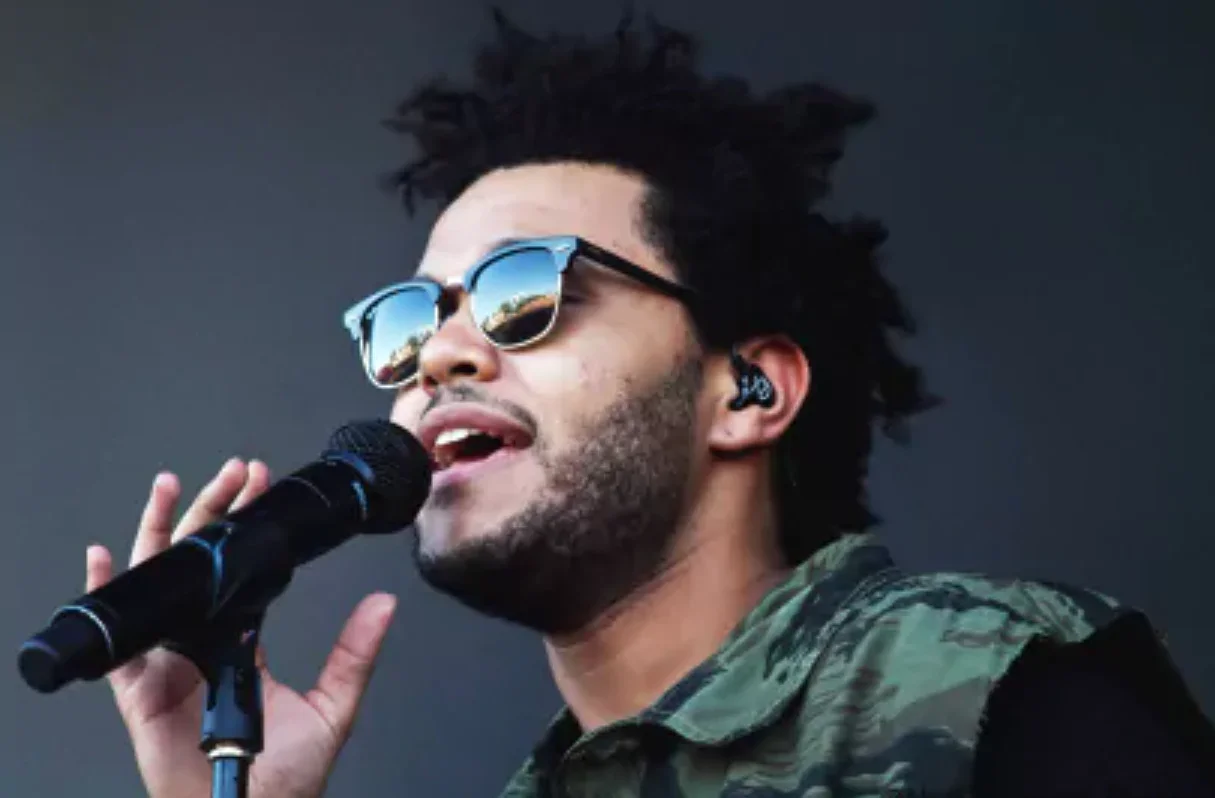
The Weeknd's live performances have evolved from intimate club shows to globe spanning stadium extravaganzas, like the ongoing After Hours Til Dawn Tour, which has grossed hundreds of millions since 2022. This evolution demands audio technology that scales with the spectacle, ensuring every note hits with precision. We'll break down the key components, drawing on insider interviews, rare technical details, and expert insights to reveal how The Weeknd's sound team creates an auditory experience that's as cinematic as his music videos.
The Evolution of The Weeknd's Live Sound
The Weeknd's journey in live performance mirrors his musical growth from the shadowy, atmospheric vibes of his early mixtapes to the bombastic, pop infused anthems of albums like Dawn FM. Early tours, such as the 2017 Starboy Legend of the Fall Tour, relied on more straightforward setups: a live band, basic PA systems, and standard wireless mics. But as venues grew larger think sold out arenas and open air stadiums the audio demands intensified.
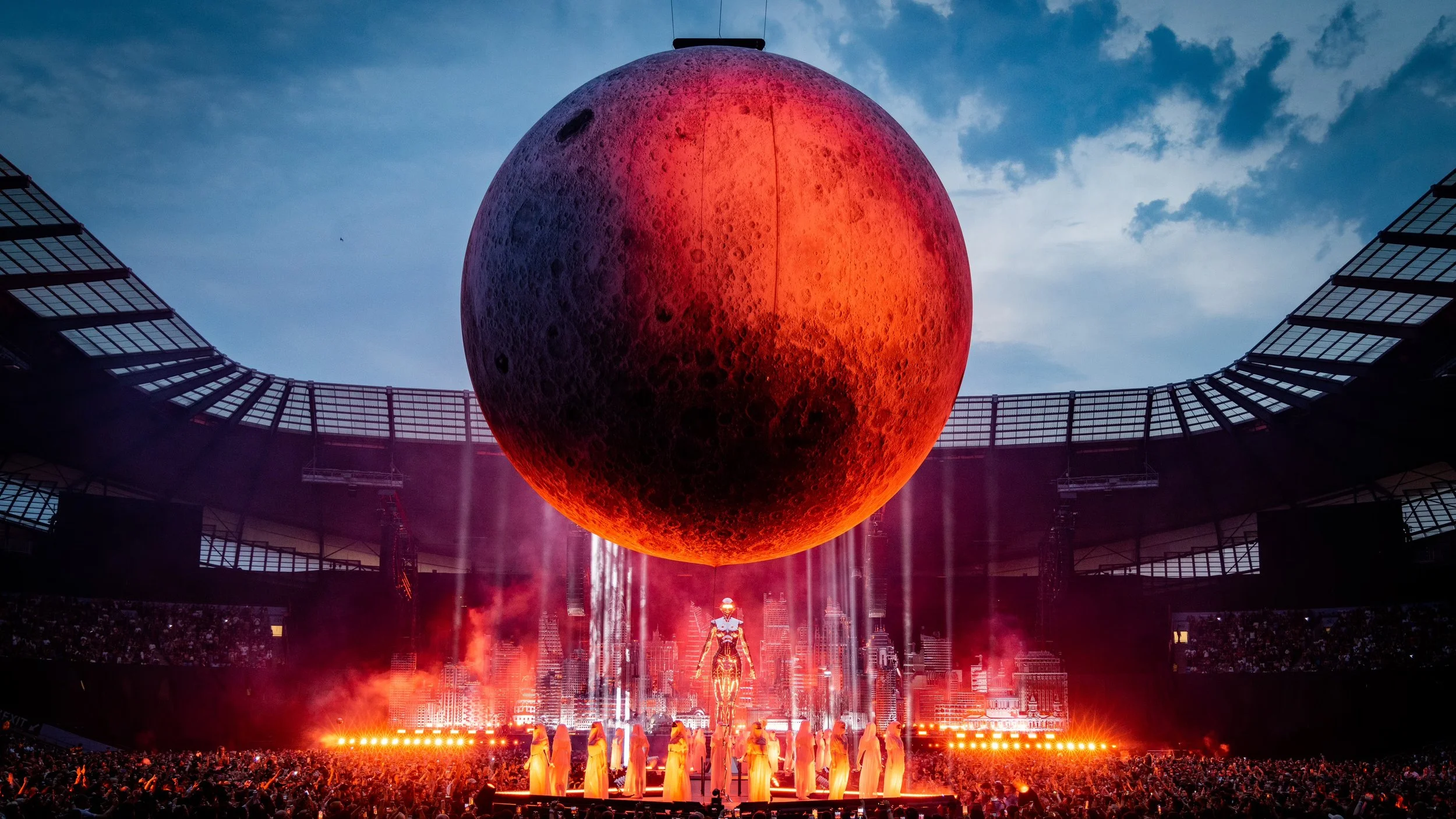
By the After Hours Til Dawn Tour, which kicked off in 2022 and continues into 2026, the production had become a technological behemoth. The set design, featuring a post apocalyptic city skyline, literally towers over the stage, forcing audio engineers to adapt in unconventional ways. Speakers are hung at extreme heights up to 52 feet trim to avoid obstructing visuals, creating unique acoustic challenges. This isn't just about volume it's about clarity and immersion. Fans in the nosebleeds need to feel the bass drops as viscerally as those in the pit.
Unlike many artists who prioritize visual over audio, The Weeknd's team insists on a "nightclub vibe" SPL (sound pressure level), often pushing systems to building rattling lows. Systems engineer Randy Weinholtz notes, "Sometimes the low end coming from the stage is like a wave, and on some songs when the beat drops, the whole building jumps." This approach stems from Tesfaye's desire for an intimate, club-like energy in massive spaces, blending R&B smoothness with EDM intensity.
Engineers Who Make It Happen
the heart of any great concert sound is the team orchestrating it. For The Weeknd, that's a trio of elite professionals: Front of House (FOH) engineer Derek Brener, monitor engineer Lewis Lowder, and RF technician Diego Correa. Their collaboration has been pivotal since 2015, turning potential audio nightmares into seamless experiences.
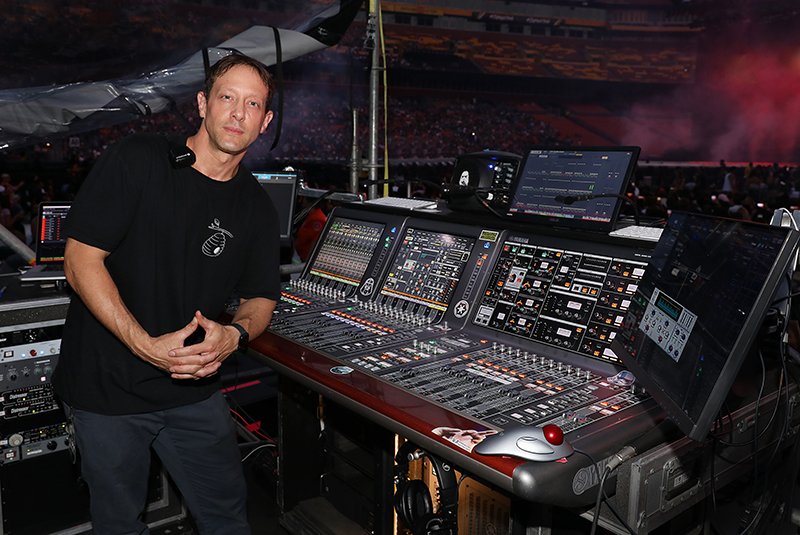
Derek Brener, the FOH maestro, mixes the sound the audience hears. With a background that includes gigs with Bruno Mars and Nico Vega, Brener joined The Weeknd after a standout Coachella performance. He describes his role as "painting with sound," using tools like the Yamaha Rivage PM10 console to sculpt Tesfaye's vocals front and center. Rare insight: Brener once chased a "subtle intermodulated distortion" in the vocals for months, a ghost sound that only emerged in larger venues due to Tesfaye's unique timbre. "I drove everyone crazy with it because I was the only one who noticed at first," he admits.
Lewis Lowder handles monitors, ensuring the artist and band hear themselves clearly on stage. A Belmont University grad with roots in Nashville's live scene, Lowder prefers the "fleeting nature" of concerts over studio work. He uses a DiGiCo SD5 Quantum console, praising its onboard effects like Bricasti M7 reverb for creating that signature Weeknd echo.
Diego Correa, the RF wizard, manages wireless frequencies to prevent dropouts in crowded spectrum environments. His expertise was crucial in upgrading to Sound Devices' Astral system, which we'll dive into next.
These pros don't just plug in gear; they innovate. In interviews, Brener shares career tips like "learn by doing" and "network relentlessly," emphasizing hands on experience over formal education. Their synergy is evident in how they tackled venue specific issues, like adjusting for high speaker placements that put Tesfaye "out front of the speakers 95% of the time."
The Wireless Revolution
One of the rarest stories from The Weeknd's tour is the "mic mystery" a subtle, high end "rizz" distortion that plagued vocals as shows scaled up. This wasn't your typical feedback it was an intermodulation issue tied to companding in older wireless systems, exacerbated by Tesfaye's vocal style and larger PAs.
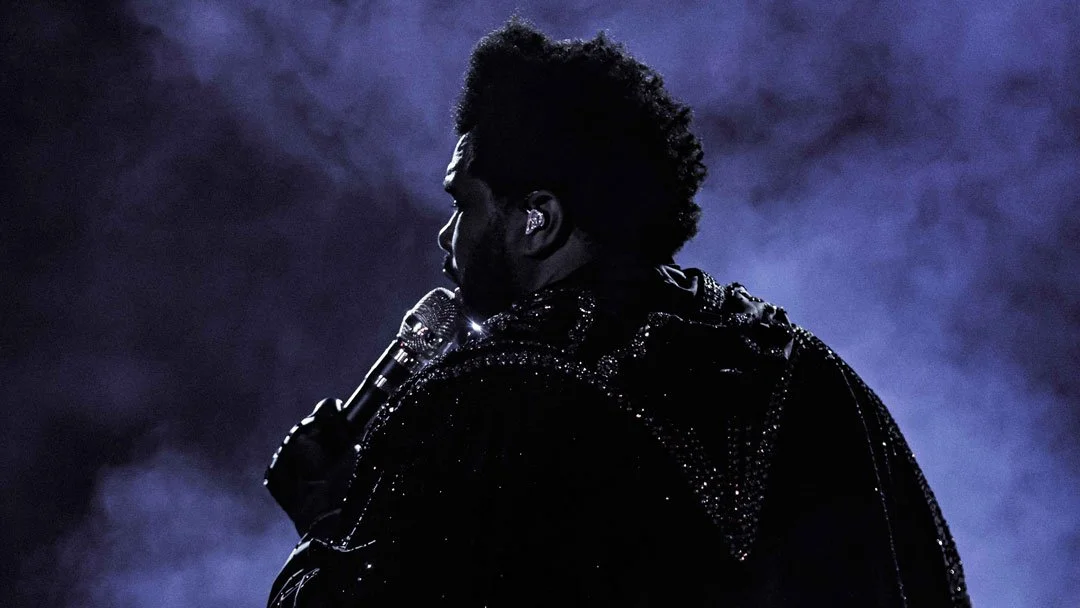
After exhaustive testing swapping brands and components the team landed on Sound Devices' Astral ARX16 receiver and Astral HH handheld microphone in 2025. What makes this rare? The Astral HH uses Gain Forward technology, eliminating companding entirely for superior headroom and fidelity. Customized with a gold shell and Tesfaye's preferred Sennheiser 5235 capsule, it solved the distortion without him noticing the switch"the ultimate compliment," per Brener.
The ARX16 offers a global tuning range of 169-1525MHz, NexLink remote control, and redundant backups for reliability. In stadiums, where RF interference from phones and Wi-Fi is rampant, this setup ensures zero dropouts. Correa notes its flexibility "We have a redundant backup, and it's made the whole system more reliable."
This upgrade isn't just tech jargon it elevates the live vocal quality, making hits like "Save Your Tears" sound studio fresh. For audio pros, it's a case study in how artist specific timbre demands bespoke solutions.
Speaker Systems and Acoustics
The Weeknd’s stage isn’t just a visual spectacle it’s a dystopian skyline that dictates how sound is deployed. With towering set pieces blocking traditional hangs, the audio team flies L-Acoustics arrays at an imposing 52 feet to clear the structure.
Each side carries a main array of 16 K1s and 4 K2s, supported by KS28 subwoofers both flown and ground stacked. That extreme trim height creates serious coverage and clarity challenges, but they’re solved through meticulous system control using Lake LM44 processors, allowing ultra precise tuning across the entire stadium footprint.
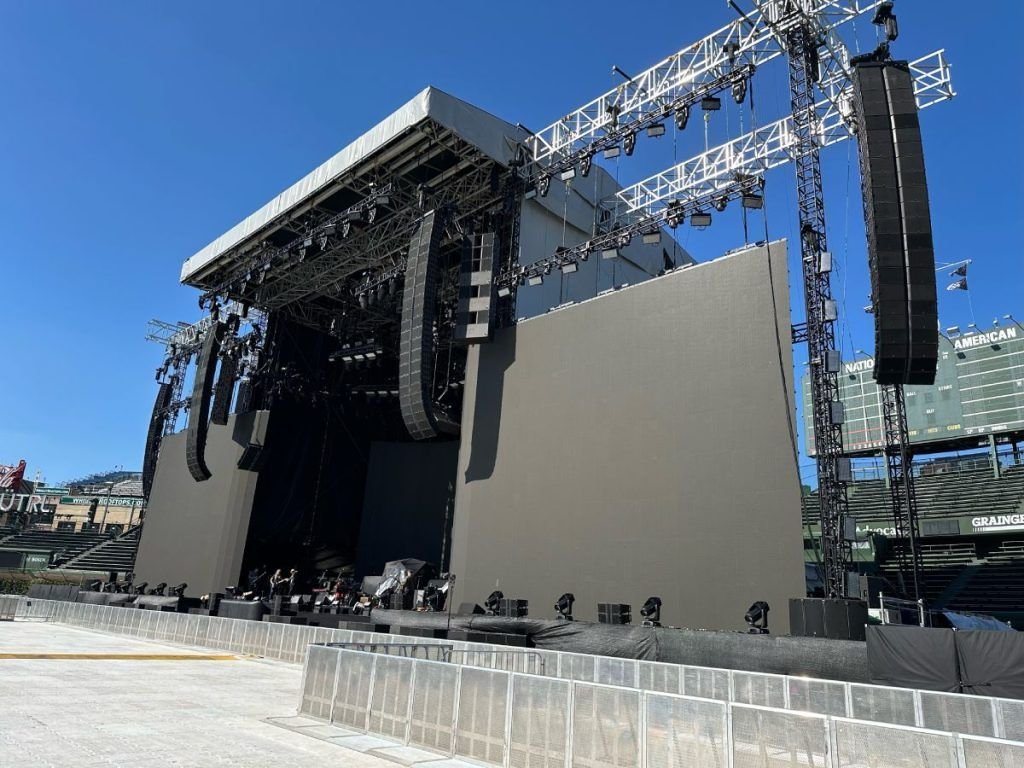
Here’s a rare, insider detail most fans never hear about: elevated speaker hangs can lose high end definition they’re simply “not shiny enough.” FOH engineer Brener compensates by carefully boosting top frequencies and aggressively pushing vocals forward in the mix. Combined with 48 delayed K2 units spread across the venue, the result is a massive 180 degree immersive soundfield that feels equally powerful whether you’re front row or in the upper deck.
Acoustics are the final, unpredictable variable. Every venue tells a different story boomy indoor domes, reflective concrete bowls, or wide open fields that swallow low end. To adapt in real time, the team relies on Rational Acoustics Smaart for constant analysis and adjustment. And when it comes to energy, they don’t hold back. SPL levels hit true nightclub intensity, with sub bass tuned to be felt as much as heard. As system engineer Weinholtz puts it bluntly: “We rattle buildings.”
Mixing Consoles and Signal Processing
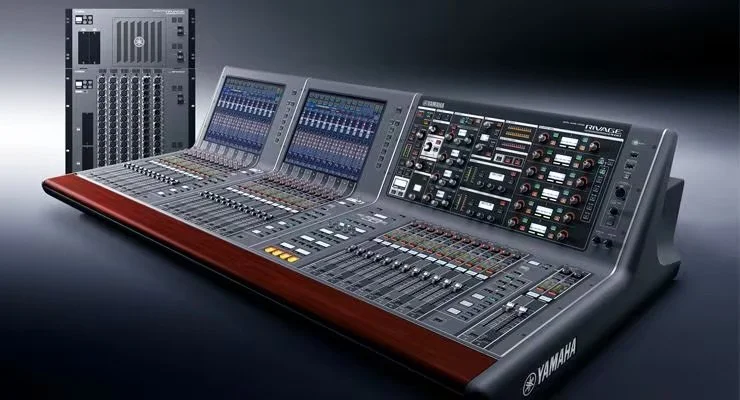
At the heart of The Weeknd’s live sound is a fully digital canvas—one that balances surgical precision with unmistakable analog character. Front of House engineer Brener anchors the mix on a Yamaha Rivage PM10, chosen for its stability, headroom, and musicality. Its Neve preamp emulations add harmonic depth right at the input stage, while the console’s onboard reverbs provide controlled space without washing out the vocal critical for an artist whose voice sits front and center of the entire production.
To elevate that core tone, the signal chain reaches beyond the console. Rupert Neve 5045 Primary Source Enhancers keep vocals locked in place, reducing stage bleed without the artifacts of heavy gating. Empirical Labs Distressors are deployed selectively for vocal warmth and presence, giving the live mix a density that feels closer to a studio master than a traditional stadium show.
On the monitor side, Lowder runs a DiGiCo SD5 Quantum, a powerhouse desk built for speed and flexibility. Integrated with Waves SuperRack, the system handles mission critical processing like X FDBK feedback elimination essential in an environment with extreme SPL, forward artist placement, and open microphones inches from roaring PA. The goal isn’t just volume it’s control under pressure.
the use of UAD-2 Live Racks for analog emulation. These units allow the team to blend pristine digital control with the color and saturation of classic hardware mirroring The Weeknd’s own studio workflow built around UAD cards. The result is a live mix that doesn’t sound “live” in the traditional sense. It sounds cinematic, polished, and emotionally intimate no matter how massive the room.In-Ear Monitors and Stage Sound: Hearing Through the Chaos
Tesfaye uses JH Audio Angie IEMs with Shure PSM1000 hardware. Lowder crafts mixes that cut through crowd noise, using Bricasti M7 for reverb that mimics studio effects.
Rain, as in New Year's Rockin' Eve, or bleeding instrumentals, as noted by other artists like J-Hope. The Weeknd's team mitigates with zoned mixes and primary source enhancers.
Integration with Visuals
In a production of this scale, sound is never treated as a standalone element it’s engineered to move in lockstep with the visuals. Audio, lighting, video, and effects are woven into a single narrative system. Solotech, alongside Panasonic, drives the visual backbone, using Panasonic KAIROS to execute seamless scene switches that are tightly synced to musical and timecode driven audio cues. Every transition is intentional, every visual hit timed to the emotional arc of the song.
That synchronization becomes most powerful in the low end. Bass drops aren’t just heard they’re seen. Pyrotechnics ignite on sub hits, strobes snap in rhythm with kick transients, and lighting sweeps follow filter movements in the mix. The result is full multisensory immersion, where audio energy directly triggers visual impact, blurring the line between concert and cinema.
A rare and telling example of this integration came during HBO’s Live at SoFi Stadium. The show was captured using Sony VENICE cinema cameras, a choice typically reserved for high end film production. To match that visual fidelity, dedicated broadcast grade audio feeds were pulled directly from the live mix environment, ensuring what viewers heard at home carried the same depth, clarity, and dynamic intent as the in stadium experience. It wasn’t a concert being filmed it was a cinematic production built in real time, with audio and visuals sharing the same creative heartbeat.
Challenges and Innovations
At the highest level of touring, perfection is never static it’s constantly challenged by scale, technology, and responsibility. One of the most persistent obstacles is RF crowding. With hundreds of wireless channels competing in dense urban environments, maintaining clean, uninterrupted signals for vocals, instruments, and comms becomes a daily battle. Add in massive LED walls, broadcast infrastructure, and packed audience devices, and spectrum management turns into a discipline of its own.
Yet these challenges are also catalysts for innovation. The production world is already looking toward AI assisted mixing still speculative for tours at this scale, but increasingly plausible. Future systems may analyze crowd response, venue acoustics, and mix balance in real time, offering intelligent suggestions or automated adjustments without replacing the human ear. The goal isn’t to remove engineers from the process, but to give them sharper tools under extreme conditions.
Sustainability is another frontier pushing real change. Power consumption for modern tours is enormous, prompting exploration into eco friendly amplifiers, smarter power distribution, and more efficient system design. A rare but significant sustainability initiative underway is the testing of low power wireless technologies, aimed at reducing energy use across RF systems. By lowering transmission demands without sacrificing reliability, the team aligns with a broader industry shift toward greener touring proving that pushing boundaries today isn’t just about going louder or bigger, but about going smarter and cleaner for the future.
Conclusion
The Weeknd’s concert sound stands as proof that the most powerful technology is often the least visible. Every flawless vocal, every chest-hitting bass drop, and every perfectly timed moment is the result of systems engineered to disappear technology serving art, not distracting from it. What the audience experiences as emotion and atmosphere is, behind the scenes, a carefully balanced ecosystem of precision, creativity, and restraint.
As global tours continue to evolve, the future points toward even more “invisible” custom built microphones tailored to specific voices, deeper immersive audio formats, and smarter systems that adapt instantly to venues, crowds, and broadcast demands. These innovations won’t announce themselves they’ll simply make shows feel more intimate, more cinematic, and more human, even at stadium scale.
So the next time a vocal cuts cleanly through 60,000 screaming fans, or a mix feels impossibly clear from any seat in the house, remember this: the real spectacle isn’t just what you see on stage. It’s the unseen sound technology working quietly in the dark, shaping the future of live music one perfect moment at a time.
