 (585) 405-4375
 contact@echotonemusic.net




The Hidden Heroes of Every Great Concert
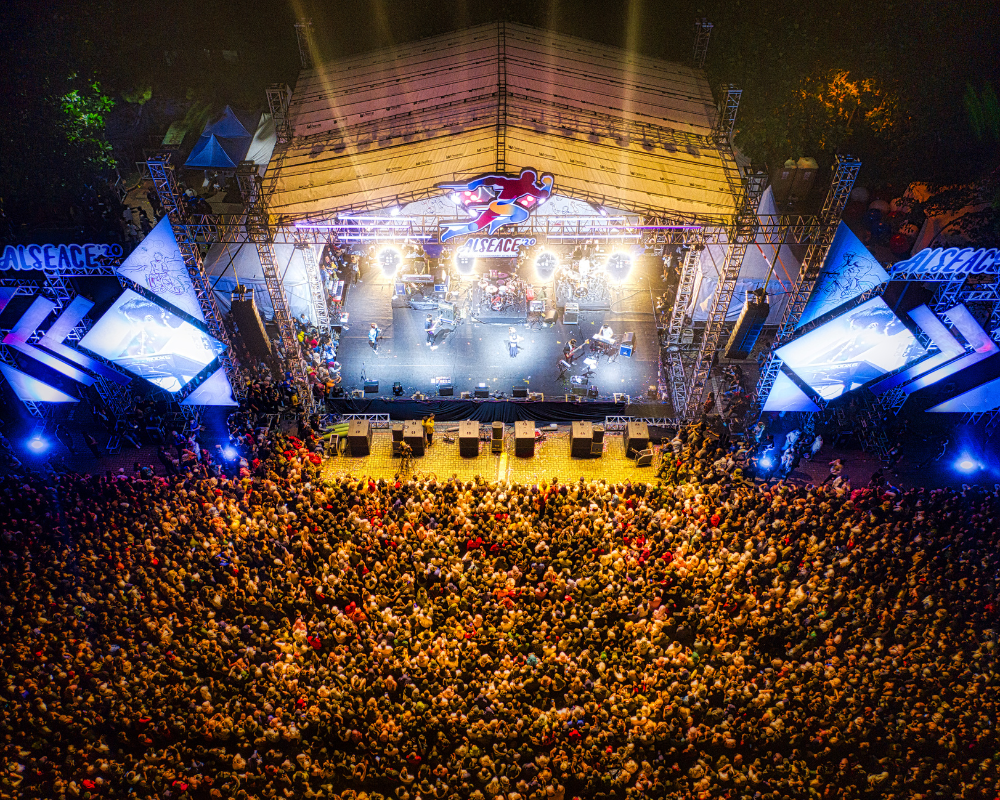
When the lights go down and the crowd erupts, all eyes are on the artist. The singer steps into the spotlight, the band hits the first note, and for the next two hours, thousands sometimes tens of thousands of people are pulled into a shared experience. It feels effortless. Magical. Seamless. But that illusion of effortlessness is carefully built. Behind every great concert is a network of professionals working long before the first ticket is scanned and long after the final encore fades into silence. These are the people most audiences never see, never name, and rarely think about yet without them, the show simply wouldn’t exist. They are the hidden heroes of live music. This is their story.
Before the Crowd Arrives, the Work Has Already Begun
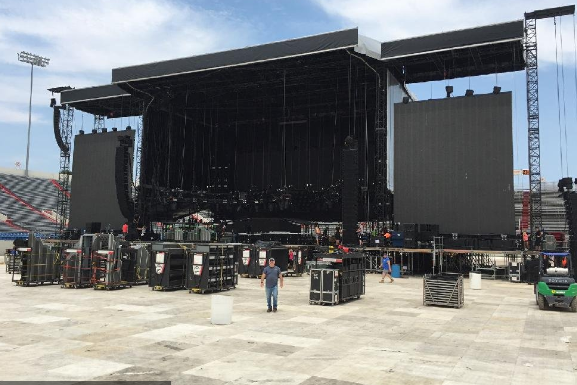
Long before fans line up outside a venue, trucks are rolling in. Cases are unloaded. Cables are run. Consoles are powered up. For touring crews, the day often begins before sunrise, especially on back to back show dates.
Sound engineers, system techs, stage managers, monitor engineers, backline techs, and production coordinators all move with quiet urgency. Every decision made during these early hours will determine how the show feels later that night. Live sound is not just about volume. It’s about balance, clarity, and emotional impact.
The kick drum has to hit with weight without overwhelming the vocals. The guitar needs presence without masking the keys. The singer’s voice must remain clear whether they whisper or scream.
This level of precision doesn’t happen by accident. It’s the result of experience, preparation, and reliable tools.
The Sound Engineer Translating Emotion Into Audio
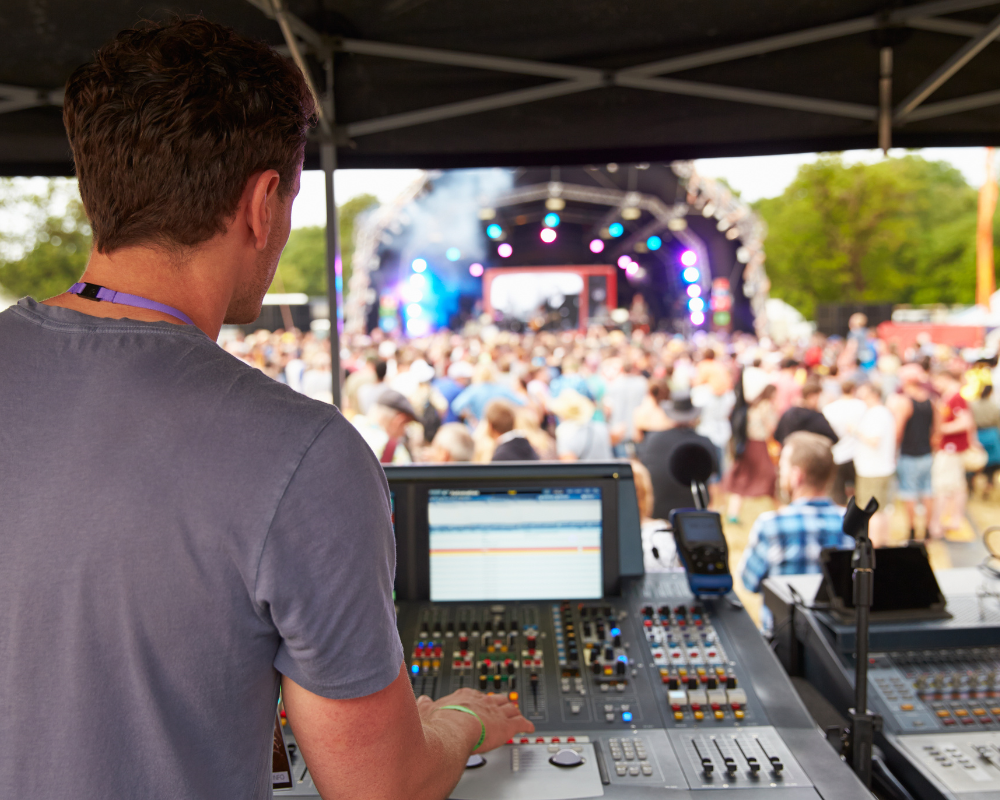
At the heart of every concert is the sound engineer. Often positioned out of sight at front of house or tucked into a control area, this person is responsible for translating raw performance into something powerful and cohesive. They don’t just “turn knobs.” They listen deeply.
Every room sounds different. A historic theater absorbs sound differently than a modern arena. Outdoor festivals introduce wind, humidity, and temperature changes that affect audio in real time. The engineer must adapt instantly, adjusting EQ, dynamics, and levels on the fly.
This is why professional grade equipment matters so much. When engineers trust their consoles, microphones, and monitoring systems, they can focus on the music rather than troubleshooting. Reliability becomes invisible but it’s essential.
Many touring engineers rely on equipment sourced through Echotone because it performs consistently night after night. In live environments where there are no second takes, that trust is everything.
Monitor World Where Performers Find Confidence
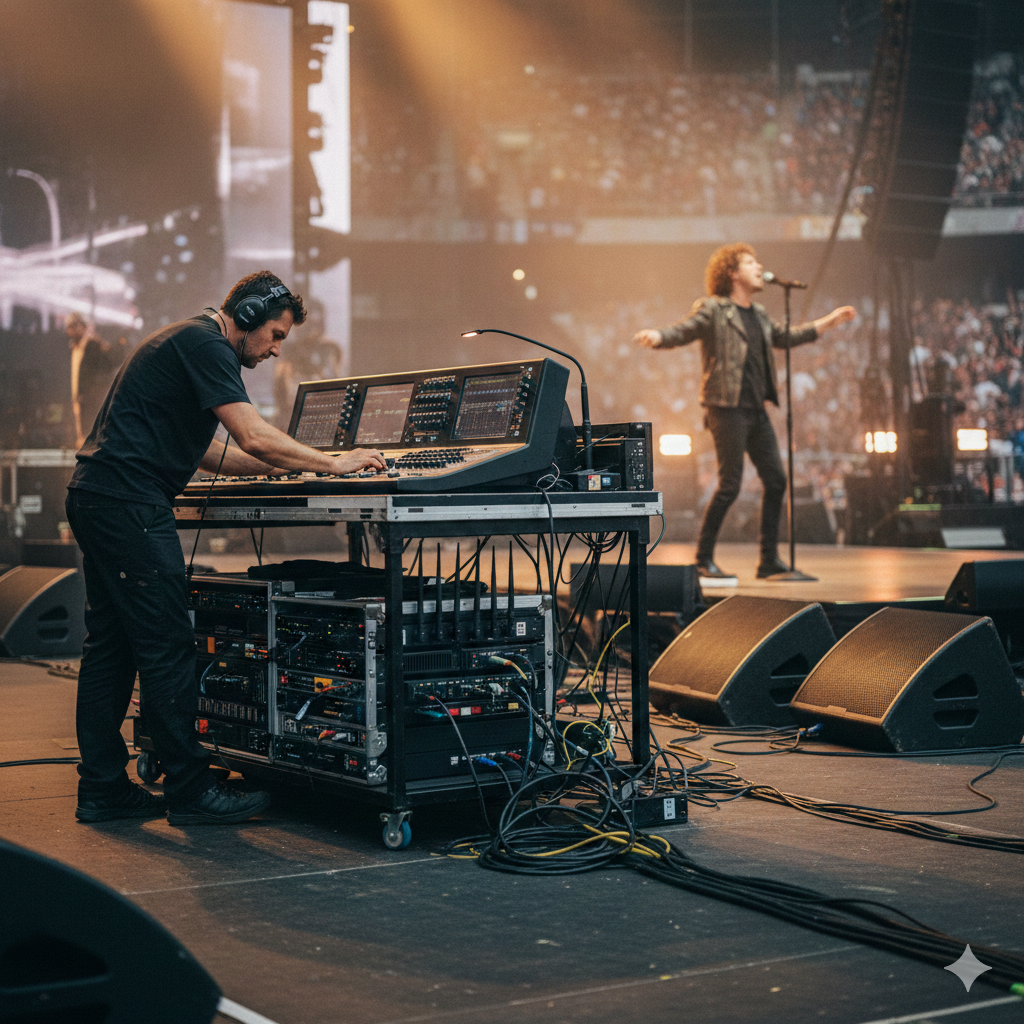
While the audience hears one mix, the artists hear another entirely. Behind the stage is monitor world a critical but often overlooked part of live production. Monitor engineers create custom mixes for each performer so they can hear exactly what they need to stay in time, in tune, and emotionally connected to the performance.
A singer may want their vocal louder than anything else. A drummer may need click tracks and bass clarity. Guitarists may want minimal vocals and more rhythm section. These preferences can change mid-show, and the monitor engineer must respond instantly. When monitoring fails, performances suffer. When it works flawlessly, artists relax. They take risks. They connect more deeply with the crowd. That confidence translates directly into better shows.
Stage Techs Solving Problems Before Anyone Notices
If something goes wrong on stage, chances are a stage technician has already fixed it before the audience realizes anything happened. A cable fails. A pedal stops responding. A wireless pack loses signal. These moments happen constantly during live shows, but the best techs make them invisible.
Stage techs know the gear inside and out. They anticipate issues, prepare backups, and move quickly under pressure. Their job isn’t just technical it’s psychological. Artists trust them completely, often forming close working relationships built over years of touring.
The quality of equipment plays a major role here as well. Durable microphones, reliable wireless systems, and rugged connectors reduce failure points and give techs fewer fires to put out.
System Techs: Designing Sound for Massive Spaces
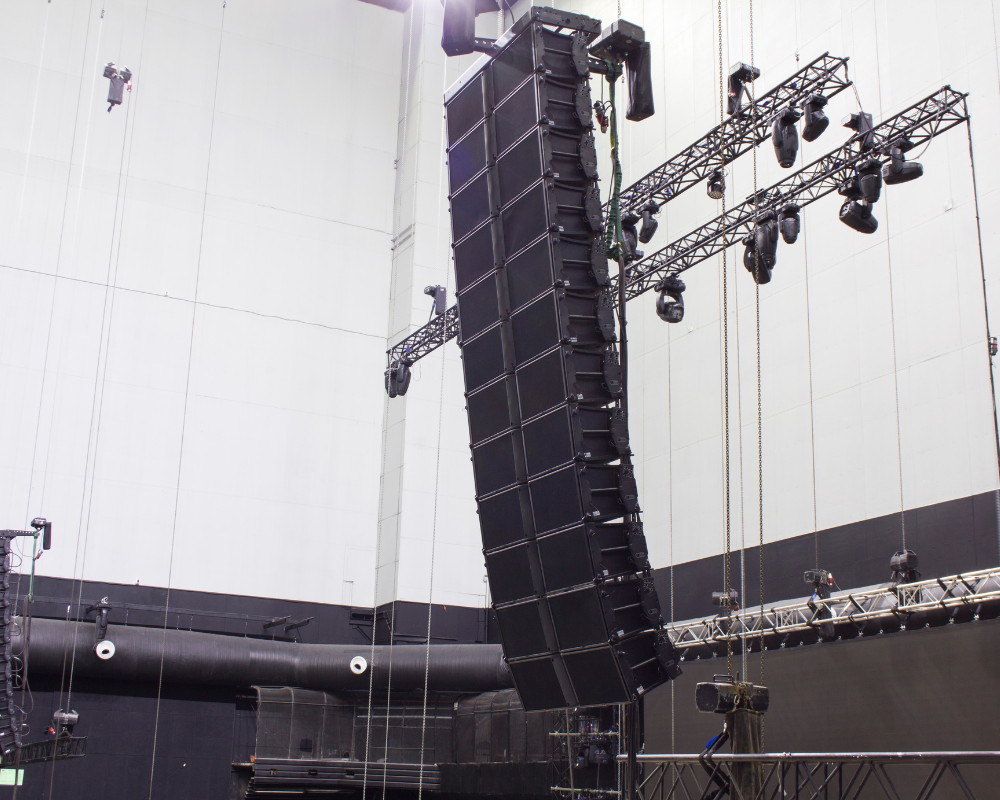
In large venues and stadiums, there’s another layer of expertise at work system technicians. System techs are responsible for designing how sound travels throughout a space. They decide where speakers are placed, how arrays are angled, and how delays are timed so that fans in the front row and the upper deck hear the same performance.
This work requires deep knowledge of acoustics, physics, and technology. It also requires equipment capable of precise control and consistency. When a stadium show sounds “perfect” no matter where you sit, that’s not luck. That’s system design.
Tour Managers and Production Leads The Invisible Conductors
While engineers and techs focus on sound, tour managers and production leads orchestrate the entire operation. They manage schedules, coordinate crews, communicate with venues, and solve logistical challenges that most people never consider. Load-in times, soundcheck windows, curfews, local regulations, power availability all of it must be accounted for. Their success depends on predictability. When equipment behaves exactly as expected, production flows smoothly.
When it doesn’t, delays ripple across departments. This is another reason why professionals gravitate toward trusted vendors and suppliers. Reliable gear simplifies planning and reduces risk.
Why Audiences Feel the Difference Even If They Can’t Explain It

Most concertgoers couldn’t name the console being used or the microphones on stage. They don’t need to. They feel it instead. They feel it when vocals cut through perfectly. When the bass hits without distortion. When quiet moments stay intimate and loud moments stay powerful without becoming painful.
They feel it when the show flows effortlessly from song to song. That emotional response is the result of hundreds of decisions made by people behind the scenes. Great concerts don’t just sound good they feel right.
Echotone’s Role in the Bigger Picture
Echotone doesn’t create the music. They don’t step into the spotlight. And that’s exactly the point. Their role is to support the professionals who do. By supplying high-quality, field-tested audio equipment to venues, touring companies, production houses, and studios, Echotone becomes part of the invisible infrastructure that makes live music possible.
Whether it’s a touring engineer needing dependable gear night after night, a venue upgrading its sound system, or a production team preparing for a major event, the common thread is trust. Trust in the tools. Trust in the workflow. Trust that when the moment comes, everything will work as it should.
The Human Side of Live Sound
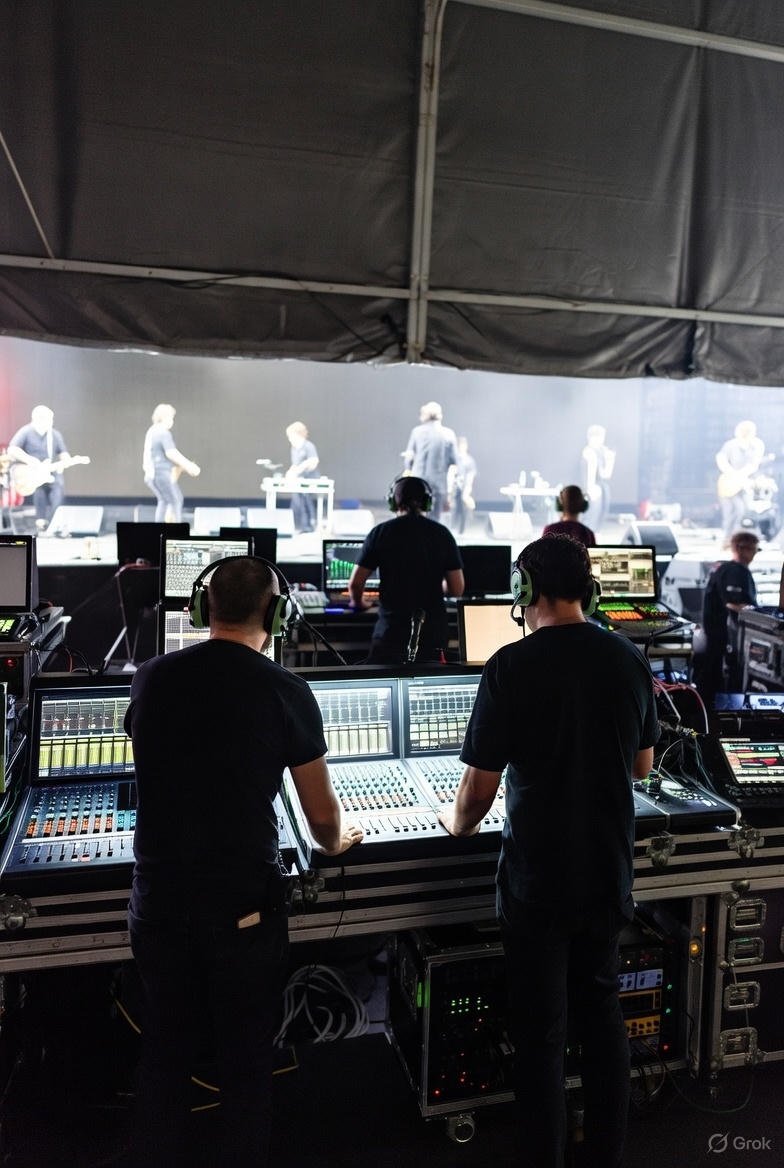
Ask any veteran in the live music world what keeps them coming back, and the answer is rarely technical. It’s the moment when a crowd sings louder than the PA. The silence before a final chorus. The look on an artist’s face when they know the show is landing exactly as intended.
These moments are built by people who care deeply about their craft. People who work long hours, travel endlessly, and operate under pressure all so that a few hours of magic can happen on stage. They may not be visible, but their impact is undeniable.
Why These Hidden Heroes Matter More Than Ever
As live events grow more ambitious, expectations rise. Audiences expect studio-quality sound in massive spaces. Artists push creative boundaries. Productions become more complex. In this environment, the role of behind-the-scenes professionals becomes even more critical.
The future of live music depends not just on artists, but on the engineers, techs, managers, and suppliers who support them. It depends on reliable equipment, thoughtful system design, and human expertise working together. That’s where the real magic happens.
A Final Note
The next time you attend a concert that sounds incredible from the first note to the last, remember this what you’re hearing is the result of countless unseen decisions made by skilled professionals using tools they trust. They are the hidden heroes of every great concert. And without them, the music would never reach you the way it does.
