 (585) 405-4375
 contact@echotonemusic.net




Why Major Churches Are Investing in Broadcast Grade Sound Systems
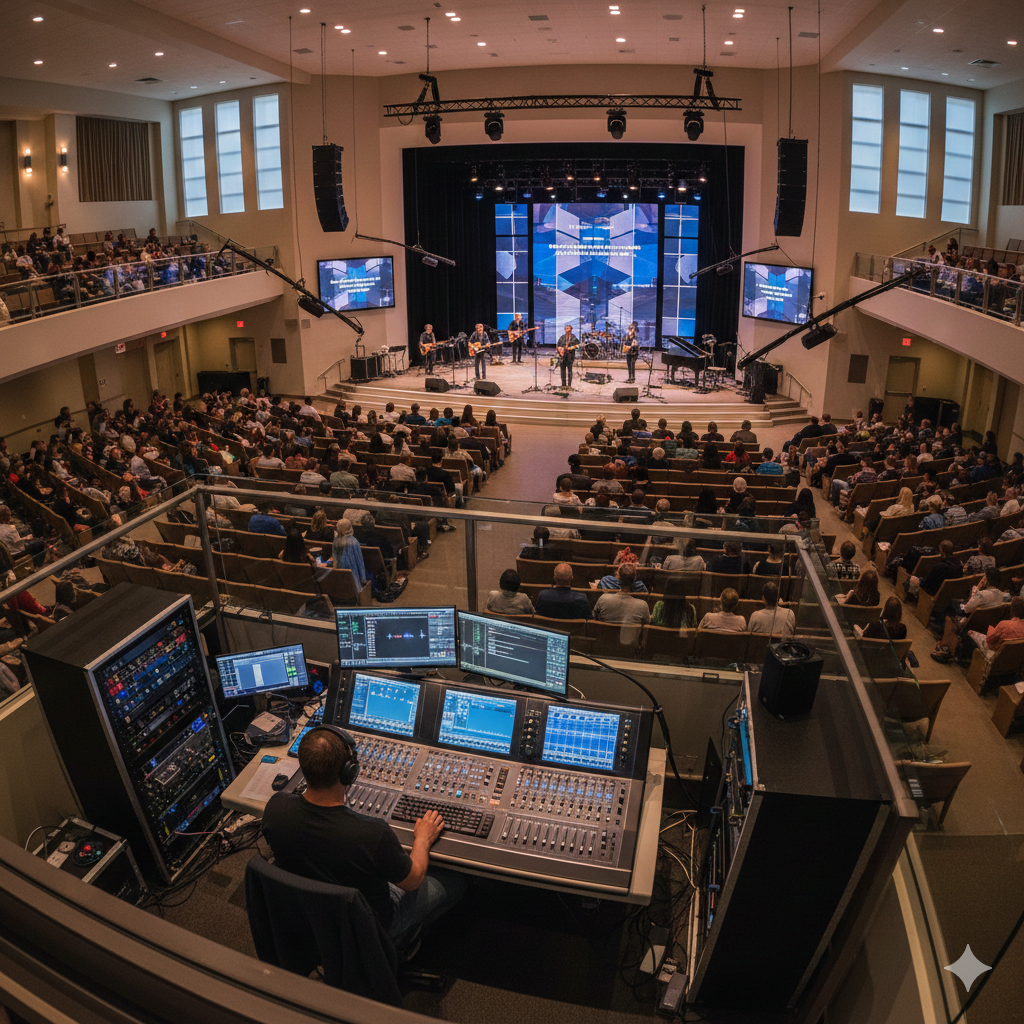
For decades, church sound systems were designed for one primary purpose making sure the congregation inside the room could hear the sermon and music clearly. If the back row could follow along and the choir sounded full enough, the system had done its job. That expectation has changed dramatically.
Today, churches are no longer serving only the people sitting in pews. They are reaching audiences across cities, countries, and continents. Livestreamed services, archived sermons, worship music releases, and conference broadcasts have become part of everyday church life. And as churches stepped into this new reality, many discovered that traditional sound systems were no longer enough.
What emerged instead is a growing investment in broadcast grade audio systems the same level of sound quality expected in television studios, concert venues, and professional production environments. This shift isn’t about extravagance. It’s about communication, clarity, and trust.
The Rise of the Hybrid Church Experience
The modern church experience no longer ends when the service does. Congregations watch sermons on their phones during commutes. Families attend services online when traveling. New members often encounter a church for the first time through a livestream rather than a physical visit. In many cases, the digital experience is now the front door.
Churches like Lakewood Church in Houston, Elevation Church in North Carolina, and Hillsong locations worldwide recognized this shift early. Their production teams understood that audio quality would directly influence engagement. Poor sound breaks attention faster than imperfect video. If dialogue is muddy or music lacks depth, viewers disconnect often without realizing why.
Broadcast grade audio systems allow churches to maintain consistent clarity across in room sound, livestreams, and recordings ensuring that every listener receives the same message with the same emotional impact.
Why Audio Quality Matters More Than Visuals
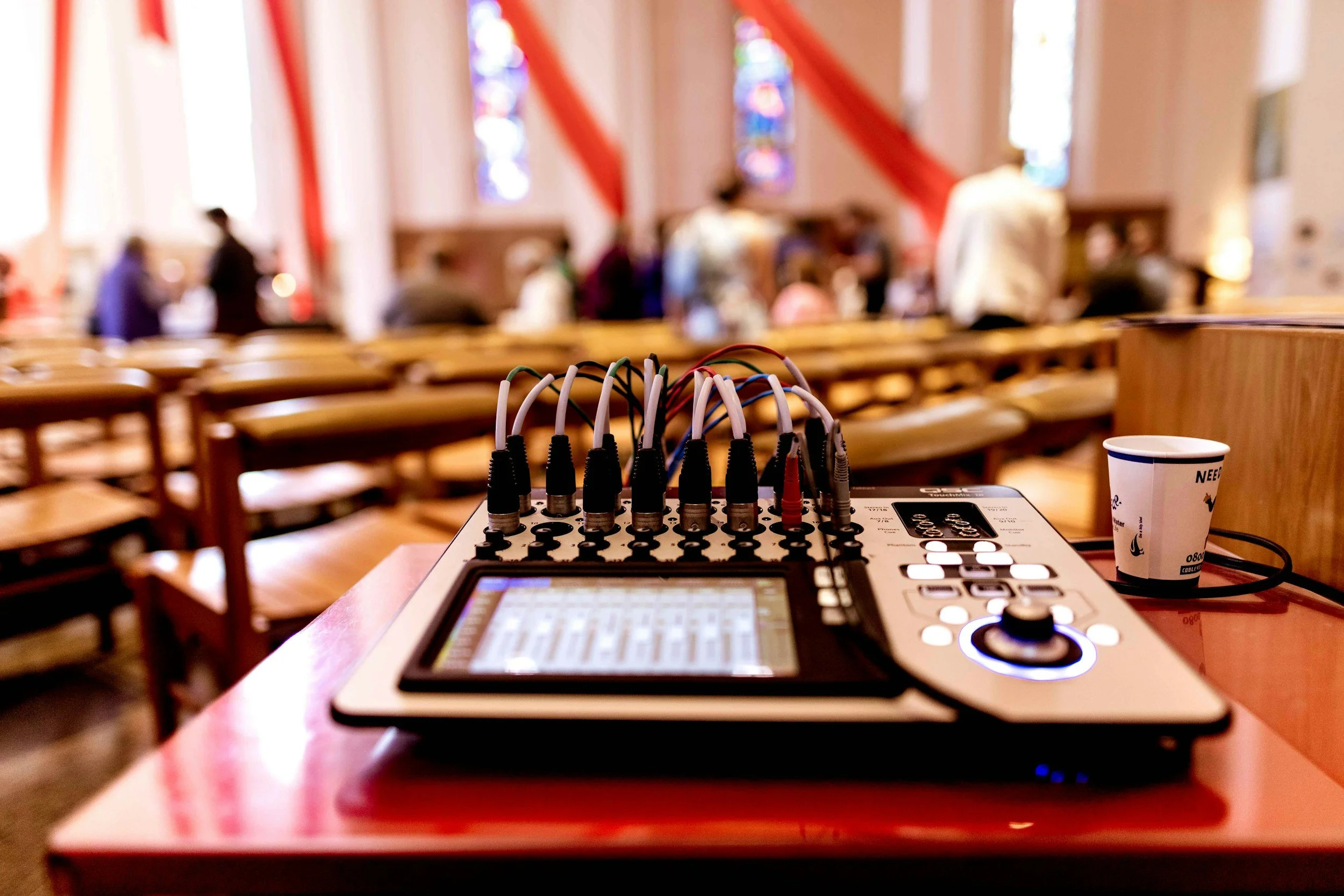
In the age of HD cameras and cinematic lighting, it’s easy to assume video is the most critical element of a broadcast. Yet production teams across industries consistently agree on one truth people will tolerate imperfect visuals far longer than poor audio.
Churches experience this firsthand. A sermon with slight camera movement can still feel powerful. But a sermon with distorted microphones, uneven levels, or unclear speech quickly becomes distracting.
Churches investing in broadcast-grade sound systems are prioritizing:
- Speech intelligibility, ensuring sermons remain clear even during dynamic delivery
- Consistent vocal tone, so speakers sound natural across different platforms
- Controlled dynamics, preventing sudden volume jumps that disrupt listeners
- Clean signal paths, eliminating noise, hum, or interference
These improvements don’t just serve online audiences. They dramatically enhance the in-room experience as well.
Elevation Church and Consistency Across Campuses
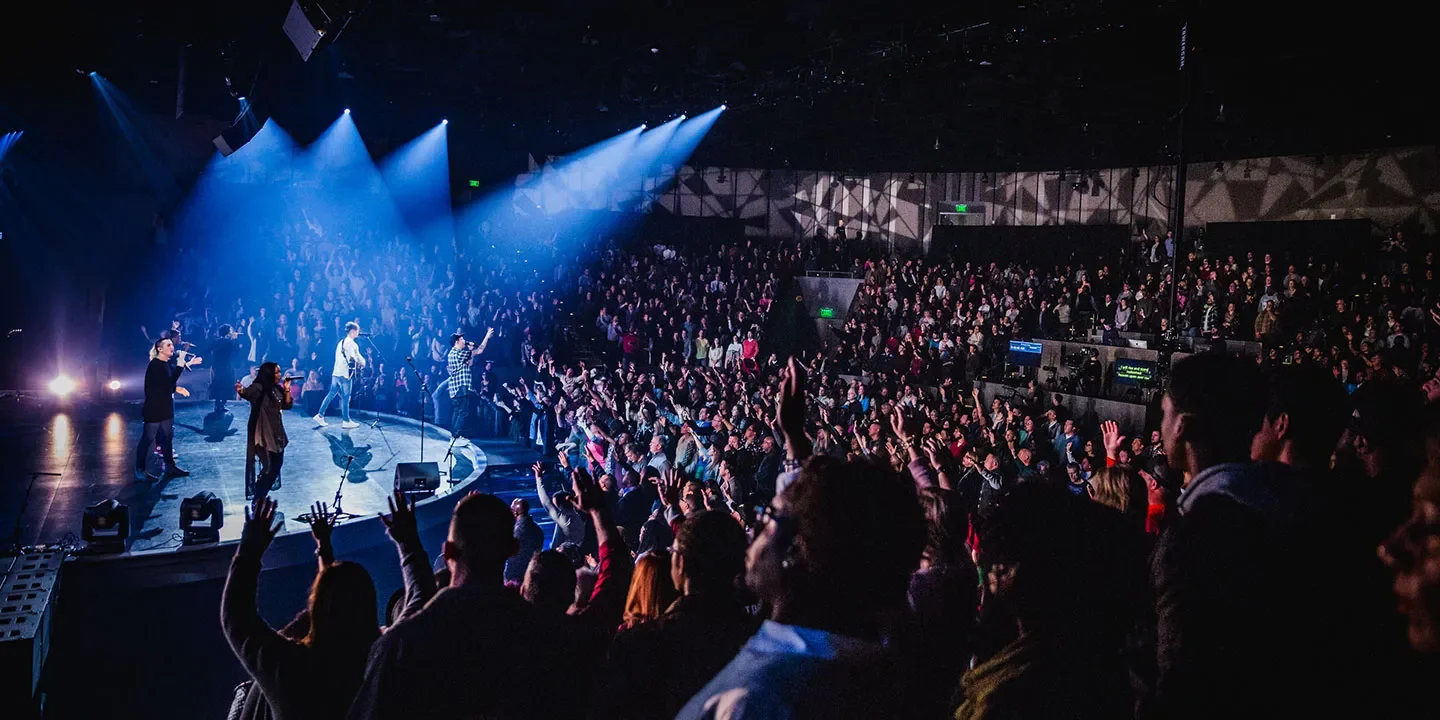
Elevation Church has become known not only for its message, but for the emotional impact of its services. Music plays a central role, and sound quality directly shapes how those moments land.
Elevation’s production philosophy prioritizes intelligibility and emotional space. Vocals must sit clearly above instrumentation. Dynamics must feel natural, not compressed or fatiguing. Silence must be intentional. Achieving this consistently requires systems that respond predictably under pressure.
Broadcast-grade sound systems allow engineers to sculpt mixes with precision while maintaining headroom and stability. When a service moves from sanctuary to stream, the emotional arc remains intact. That continuity is impossible without professional tools and experienced operators.
The Role of Broadcast Audio in Modern Worship Music
Worship music today is no longer confined to Sunday mornings. Many churches release original music that reaches global audiences through streaming platforms. What starts as a live worship moment often becomes a recorded release heard by millions.
Churches such as Bethel Church, Hillsong, and Passion City Church have long understood that broadcast-grade audio systems are essential for capturing these moments authentically.
Live worship environments are unpredictable. Musicians move. Congregations sing along. Emotional dynamics shift organically. Broadcast-quality systems allow engineers to manage these variables without stripping away the human element. The result is worship audio that feels alive rather than sterile.
Lakewood Church and Large-Scale Broadcast Demands
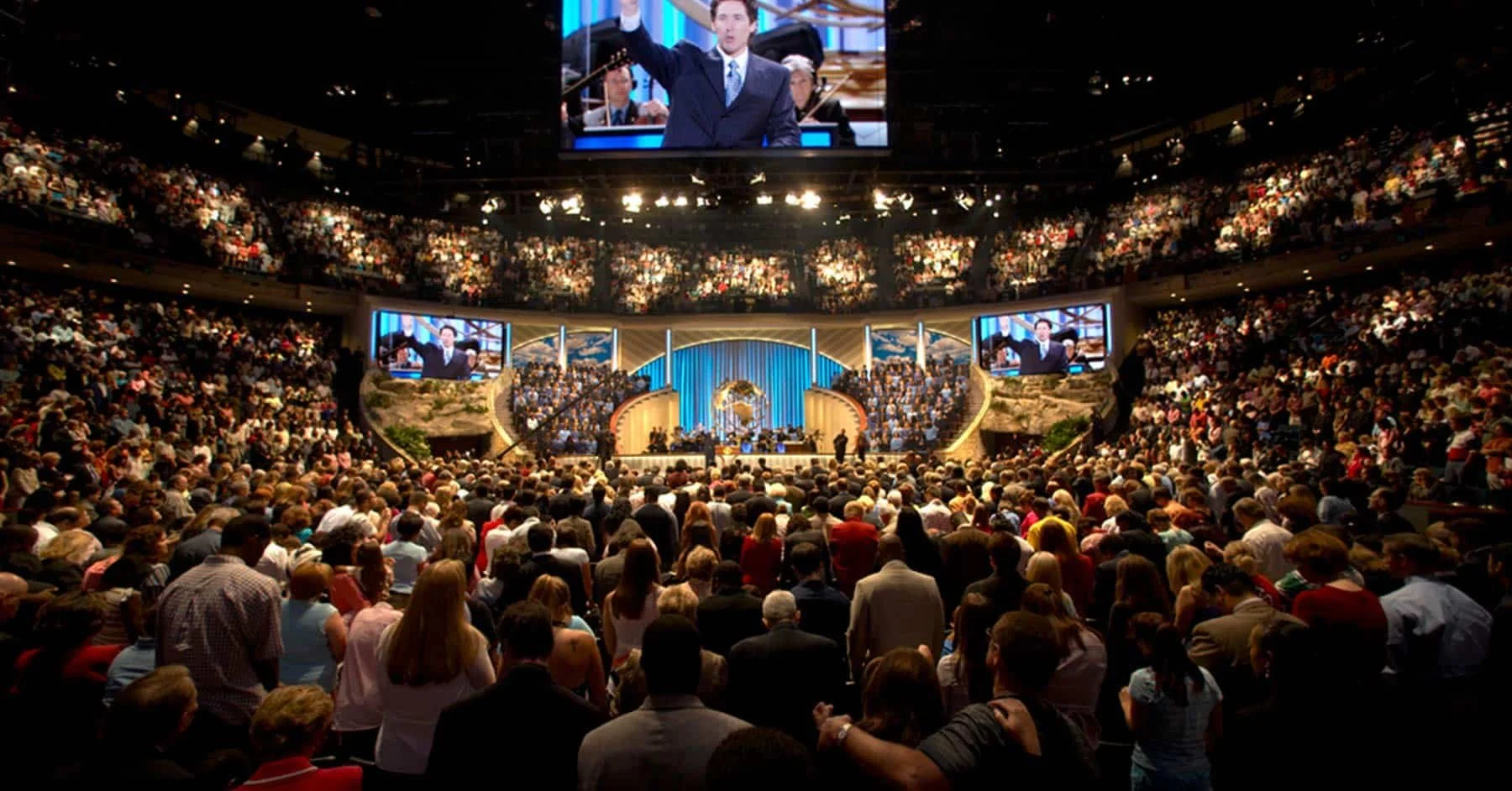
Lakewood Church in Houston is one of the most recognizable examples of large scale worship production. With weekly attendance in the tens of thousands and millions more watching online, audio consistency is non negotiable.
Lakewood’s approach mirrors that of major broadcast studios. Their sound system must translate flawlessly from a massive room to television broadcasts and livestream platforms without compromise. Dialogue clarity, musical balance, and dynamic control are essential not just for the people in the building, but for viewers across the world.
This is why churches of this scale rely on broadcast-grade mixers, microphones, monitoring systems, and signal processing. These tools allow engineers to manage complex inputs, maintain consistent loudness, and ensure every word and note carries emotional weight no matter where it’s heard.
Reliability Becomes a Spiritual Responsibility
In churches, audio is not merely technical it carries emotional and spiritual weight. A quiet prayer, a trembling testimony, or a powerful moment of reflection can lose its impact instantly if the sound system fails. This is why many church production teams view reliability as a responsibility rather than a luxury.
Broadcast-grade systems are built to withstand long hours, high demand, and complex routing without compromise. Redundant power supplies, networked backups, and professional-level components reduce the risk of failure when moments matter most. For churches, this reliability ensures that nothing stands between the message and the listener.
Passion City Church and Youth-Driven Production
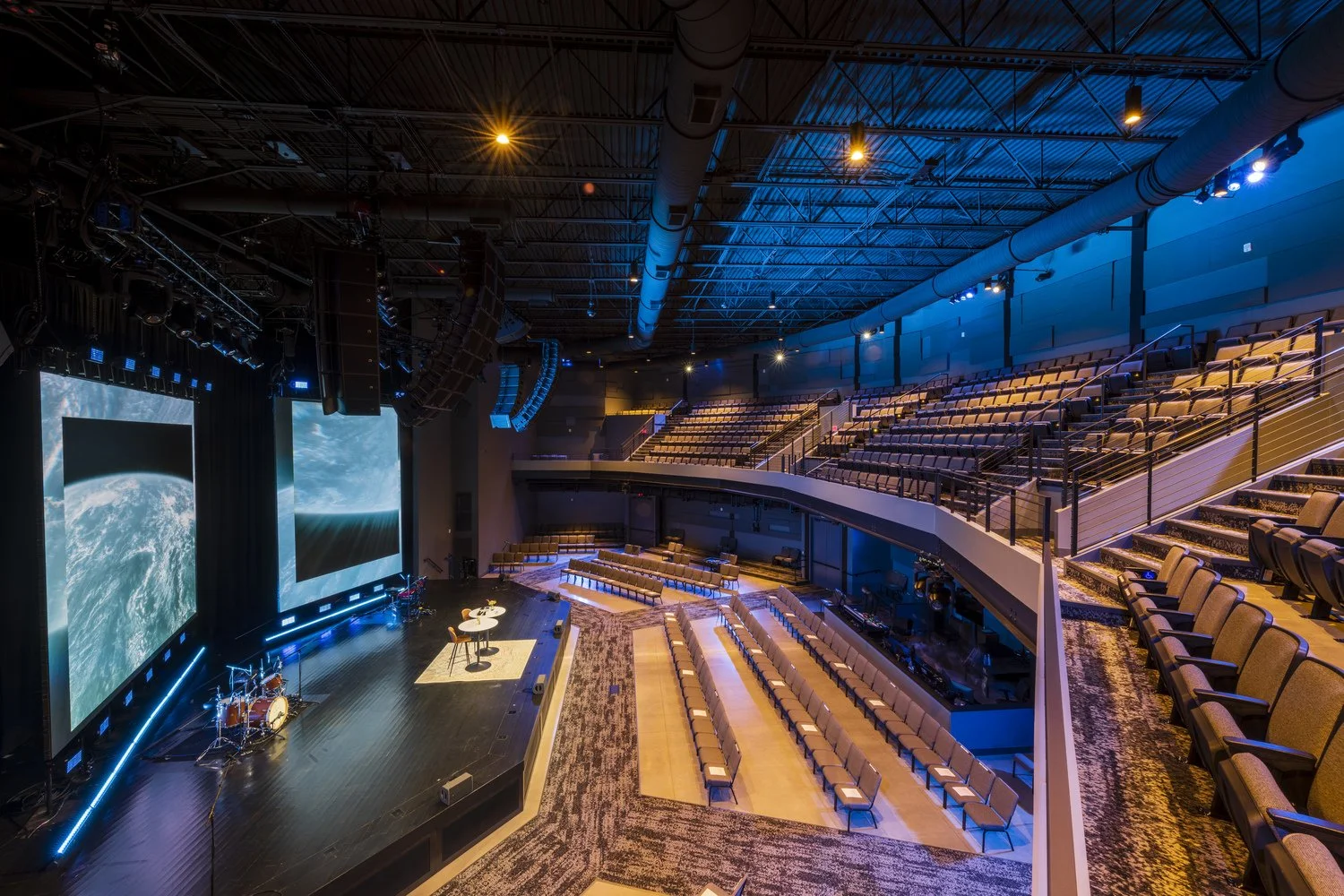
Passion City Church attracts a younger, digitally native congregation that expects high production quality. Their services are consumed on social media, YouTube, and streaming platforms just as much as in person.
To meet these expectations, Passion invested heavily in broadcast-ready sound infrastructure, allowing them to create content that feels modern without losing authenticity. Sermons translate seamlessly into clips. Worship moments retain energy even through small phone speakers.
This approach reinforces trust. When production quality matches message quality, audiences stay engaged.
The Evolution of Church Audio Teams
As churches adopt broadcast-grade systems, their production teams evolve as well. Audio engineers in churches today often have backgrounds in live events, broadcast, or studio environments. Their role extends beyond mixing sound in a room. They manage livestream feeds, recording sessions, monitoring mixes for performers, and sometimes post-production workflows.
This professionalization has elevated church audio departments into creative teams rather than technical support. Engineers collaborate with worship leaders, pastors, and media teams to shape the emotional flow of services.
Broadcast Standards Are Raising the Bar for Everyone
Platforms like YouTube, Facebook, and streaming services normalize high audio standards. When audiences consume professional content daily, expectations rise even for religious broadcasts. Churches investing in broadcast grade sound systems are responding to this reality. They are not competing with entertainment; they are meeting audiences where they already are. Clear sound communicates care. It signals preparation. It shows respect for the listener’s time and attention.
Why This Trend Will Only Continue
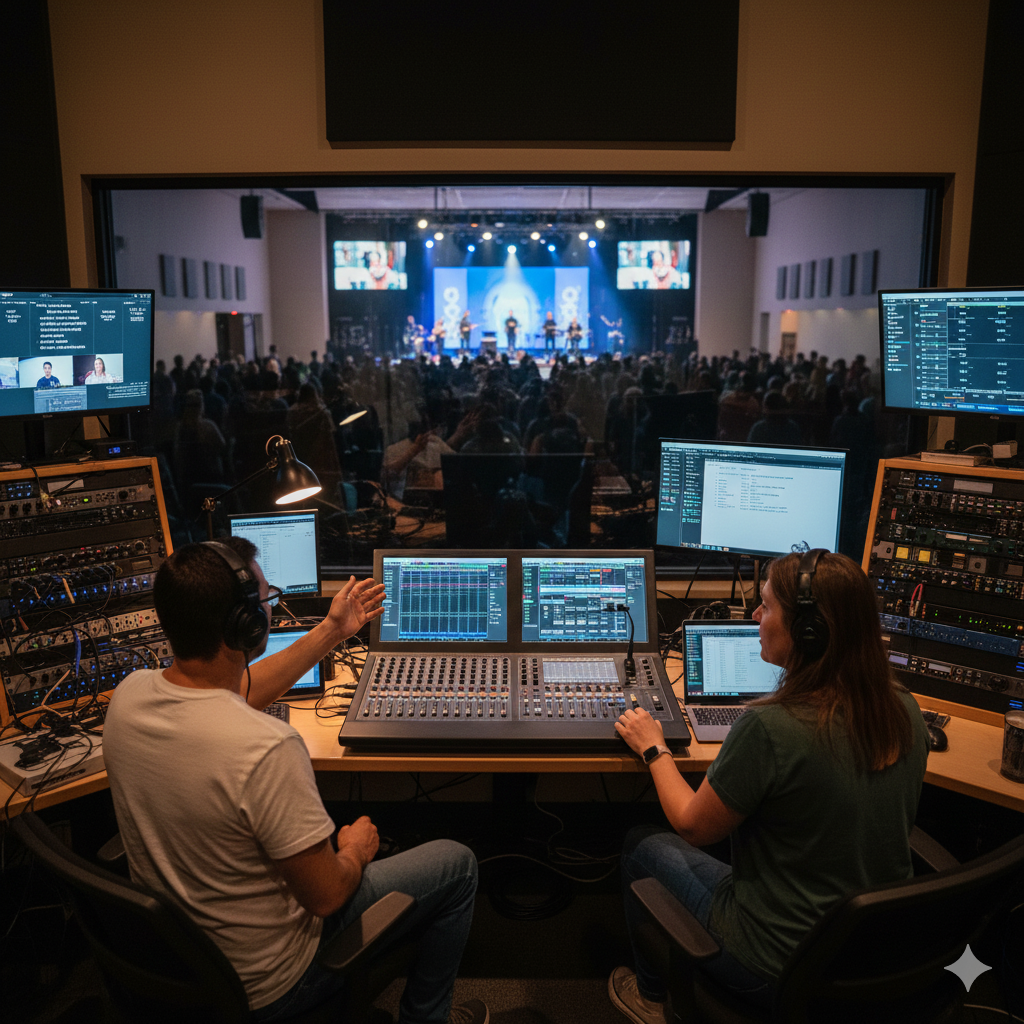
The line between physical and digital church experiences will continue to blur. Conferences, special events, and hybrid services are becoming permanent fixtures rather than temporary solutions. Broadcast grade audio systems offer churches flexibility. They future proof production environments while allowing teams to scale content without rebuilding infrastructure.
As churches expand their reach beyond walls, sound remains the thread that connects speaker to listener, worship leader to congregation, and message to meaning.
The Quiet Impact of Professional Audio
Most people will never notice a perfectly tuned sound system. That is its success. They will remember how a sermon moved them. How a song gave them peace. How a moment felt real even through a screen. Behind those experiences are production teams and sound systems designed not to impress, but to serve. And that is why major churches are investing in broadcast-grade sound systems not for spectacle, but for connection.
