 (585) 405-4375
 contact@echotonemusic.net




The Surprising Way AI Is Used in Live Concert Sound
As the lights dim and the crowd roars in anticipation, the first notes of a live concert hit the air with crystal clear precision. The bass thumps through your chest, vocals soar without a hint of distortion, and every instrument blends seamlessly into an immersive sonic experience. But behind this auditory magic, there's more than just skilled sound engineers at work. Artificial intelligence (AI) is quietly revolutionizing live concert sound, operating in the shadows to enhance, optimize, and even automate aspects of audio production that once relied solely on human intuition and expertise.
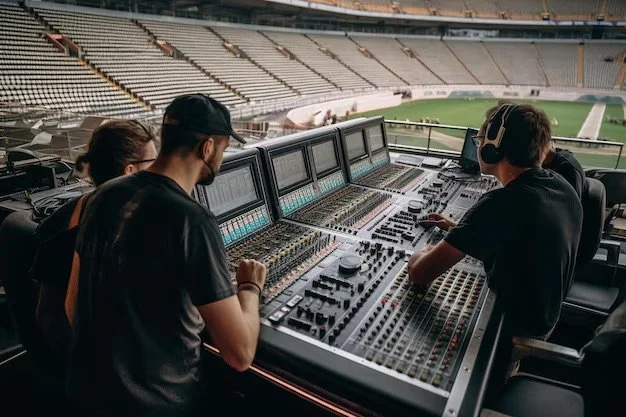
In 2025, AI's integration into live sound is subtle yet profound. It's not about robots taking the stage or generating entire performances (though that's emerging in experimental spaces). Instead, AI tools are augmenting the work of audio professionals, ensuring consistent quality across massive venues, adapting to unpredictable environments, and pushing the boundaries of what's possible in real-time audio processing. This blog explores how AI is being deployed in live concert sound, from mixing consoles to audience immersion, drawing on real world examples and emerging technologies. Whether you're a music enthusiast, a budding sound engineer, or just curious about the tech behind your favorite shows, let's dive into this quiet revolution.
The Foundations of Live Concert Sound
To appreciate AI's role, it's essential to understand the complexities of live concert sound. Traditional live sound engineering involves managing a multitude of variables microphone placements, signal routing, equalization (EQ), compression, reverb, and delay all while combating issues like feedback, crowd noise, and venue acoustics. Sound engineers use digital audio workstations (DAWs), mixing consoles, and amplifiers to balance these elements in real time, often under high-pressure conditions where a single misstep can ruin the experience for thousands.
Live concerts present unique challenges compared to studio recordings. Venues vary wildly from intimate clubs to sprawling arenas like Coachella's Empire Polo Club, where sound must travel evenly across vast distances. Factors like humidity, temperature, and audience density can alter acoustics mid show. Historically, engineers relied on experience and manual adjustments, but this is where AI steps in quietly, providing data-driven assistance without overshadowing the human touch.
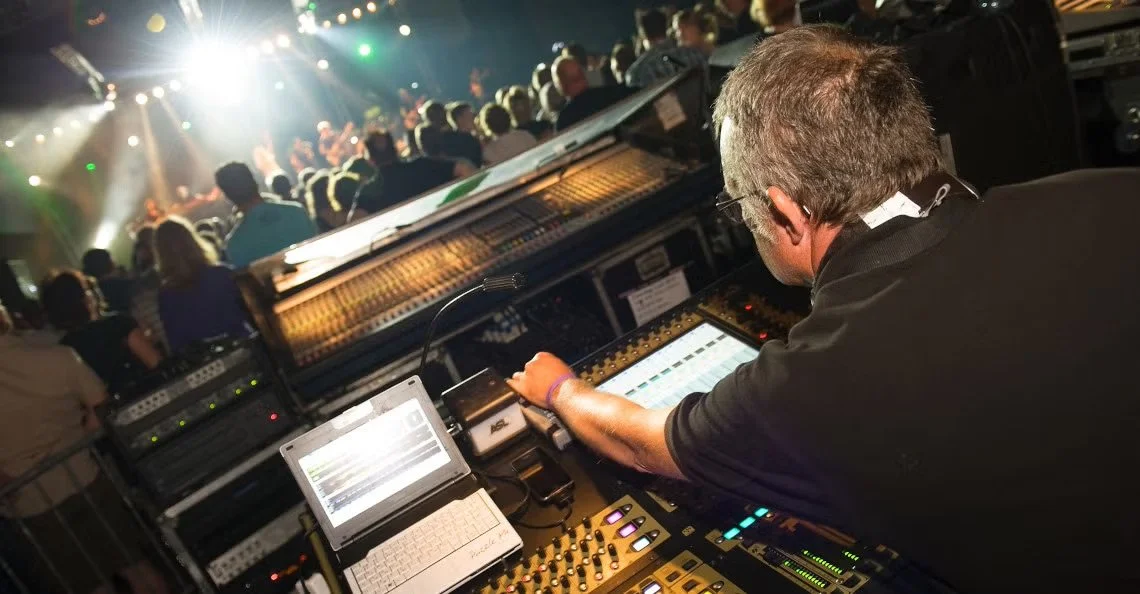
AI's entry into this field began with machine learning algorithms trained on vast datasets of audio signals. These systems analyze patterns in sound waves, predict potential issues, and suggest or even implement corrections faster than a human could. For instance, AI can process thousands of audio samples per second, identifying frequencies that might cause feedback before they become audible. This isn't about replacing engineers it's about empowering them to focus on creative decisions while AI handles the grunt work.
According to industry insights, AI is already embedded in tools like digital mixers from brands such as Yamaha and Waves Audio, where algorithms optimize signal paths and enhance clarity. In large scale events, AI manages complex audio routing, ensuring consistent sound distribution across zones in a venue. This scalability is crucial for festivals, where multiple stages and varying crowd sizes demand adaptive sound systems.
AI in Real Time Audio Mixing
One of the most prominent yet understated uses of AI in live concert sound is in audio mixing. Mixing involves balancing levels, panning sounds across speakers, and applying effects to create a cohesive output. Traditionally, this requires constant tweaks during a performance, but AI powered tools now automate parts of this process, allowing engineers to achieve professional results with less effort.
Take iZotope's Neutron, an AI-powered mixing assistant that's gaining traction in live settings. Neutron listens to audio tracks in real time, analyzes them, and suggests improvements like EQ curves or compression settings to enhance the mix. events like Coachella, where sound engineers handle massive setups, such tools speed up the process by identifying imbalances and offering data backed recommendations. This is particularly useful for multi-instrument bands, where AI can isolate vocals from instruments, reduce bleed, and maintain clarity even in noisy environments.
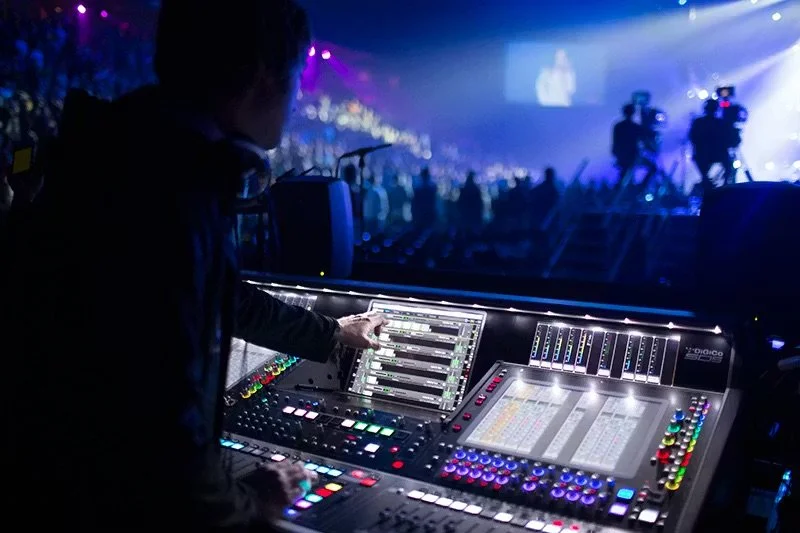
Another example is Waves' eMo series plugins, which incorporate AI for automatic gain staging and dynamics control. In a live concert, AI can detect when a guitarist's solo is overpowering the vocals and subtly adjust levels without the engineer intervening every time. This quiet automation ensures the mix remains dynamic and engaging, adapting to the performer's energy.
For broadcast audio from concerts, AI is even more transformative. Tools like iZotope's Neutron have been tested for live mixing in worship bands and could extend to concerts, where AI analyzes the feed and corrects issues like distortion or phase problems on the fly. In Reddit discussions among live sound professionals, users note that AI helps with scalability in large events, managing feedback control and consistent zoning.
Moreover, AI is enabling "auto-mixing" for smaller venues or volunteer run events. Systems like Roex's Automix allow AI to handle basic mixing decisions while engineers retain final control. This democratizes high-quality sound, making it accessible beyond big-budget tours.
Noise Reduction and Immersive Audio
Noise is the archenemy of live sound. Crowd cheers, stage monitors, and environmental factors can muddy the audio, but AI is quietly combating this through advanced noise reduction and enhancement techniques.
AI driven algorithms, such as those in Ooberpad's audio systems, analyze content in real time detecting vocal intensity, dynamic range, and soundstage needs and adjust accordingly. For concerts, this means AI can suppress unwanted background noise while amplifying key elements, creating a more immersive experience. Imagine a rock concert where the crowd's energy is preserved but doesn't drown out the lyrics AI makes this possible by intelligently gating signals.
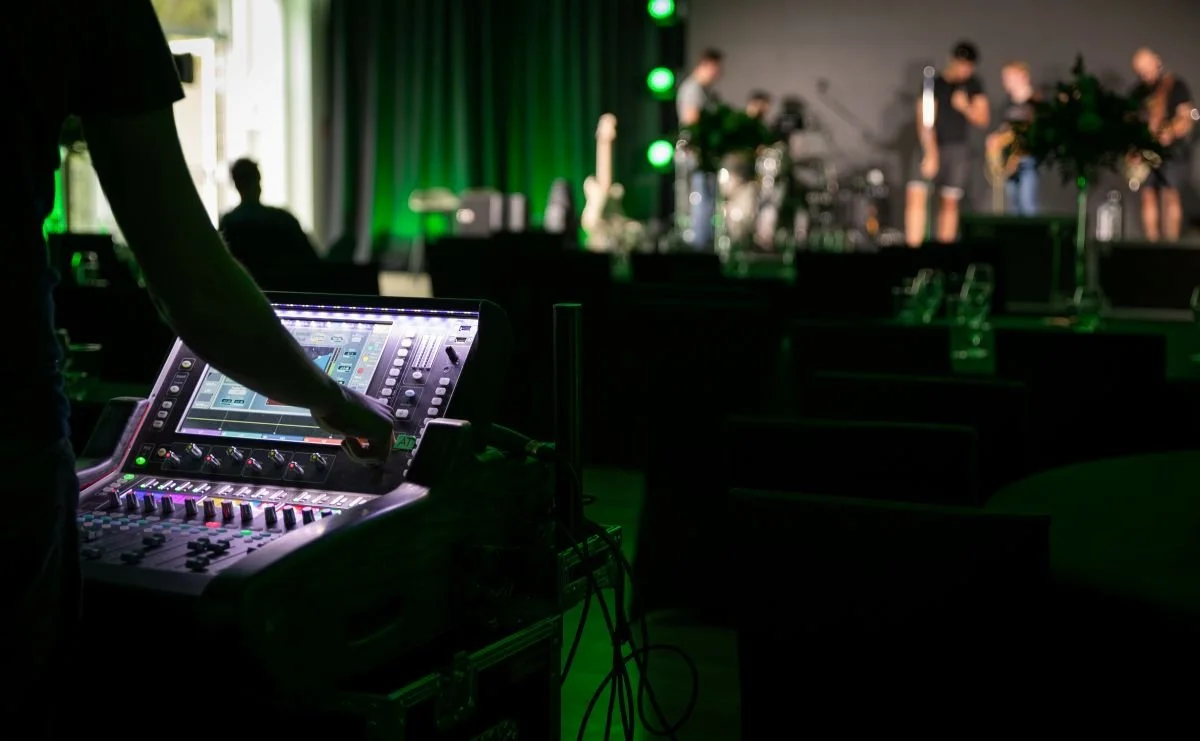
In terms of immersion, AI combines with virtual reality (VR) and augmented reality (AR) to craft personalized soundscapes. At Berklee College of Music's explorations, AI enhances concert experiences by layering virtual elements over live audio. For instance, AI can spatialize sound, making it feel like instruments are positioned around the listener, even in a standard venue. This is achieved through binaural audio processing, where AI models the human ear's response to simulate 3D sound.
Yamaha's AI Music Ensemble Technology exemplifies this. It analyzes a performer's notes via microphone and motion data, then generates synchronized virtual accompaniments. In live settings, this allows solo artists to perform with AI generated orchestras, blending real and synthetic sounds seamlessly. X posts highlight similar innovations, like AI generating 3D virtual concerts from raw audio, extracting notes and motions for immersive playback.
AI also aids in venue specific optimizations. Algorithms design acoustic panels, as seen in Germany's Elbphilharmonie, where no two panels absorb sound identically, all calculated by AI for optimal acoustics. For touring acts, AI analyzes venue data like humidity and crowd absorption to preset EQs, ensuring consistent sound night after night.
Synchronization and Visual Integration
Live concerts aren't just about sound they're multimedia spectacles. AI quietly ensures synchronization between audio, lights, visuals, and even performers, creating cohesive experiences.
In large productions, systems like the Central Time Code System send unified metronomes to bands, studios, lighting, and effects teams. AI enhances this by compensating for delays caused by speaker placements, ensuring every seat hears the mix in sync. Real-time mixing by music directors uses AI to blend backing tracks with live bands, smoothing out timing slips imperceptibly.
Visuals are another frontier. AI generates reactive graphics that sync with music, as noted in industry reports. AI analyzes crowd dynamics and engagement to adjust lighting and sound in real time. Lighting techs use software linked to DJ consoles, timing effects with AI predictions of drops and loops.
Experimental AI like Xybot composes live music adaptively, shifting tempos and melodies mid performance. This could lead to fully autonomous shows, but for now, it's augmenting human creativity.
AI in Action at Major Events
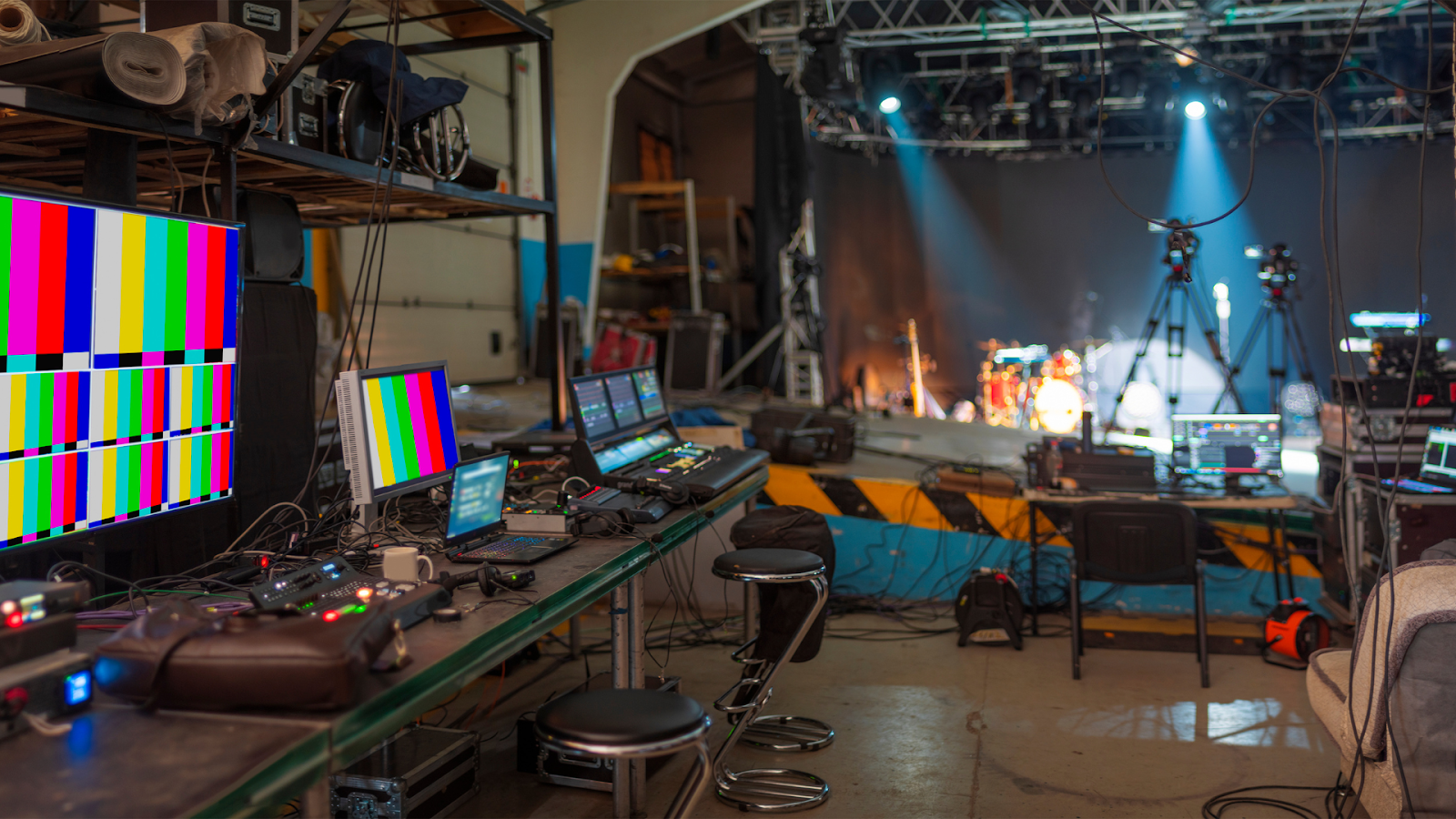
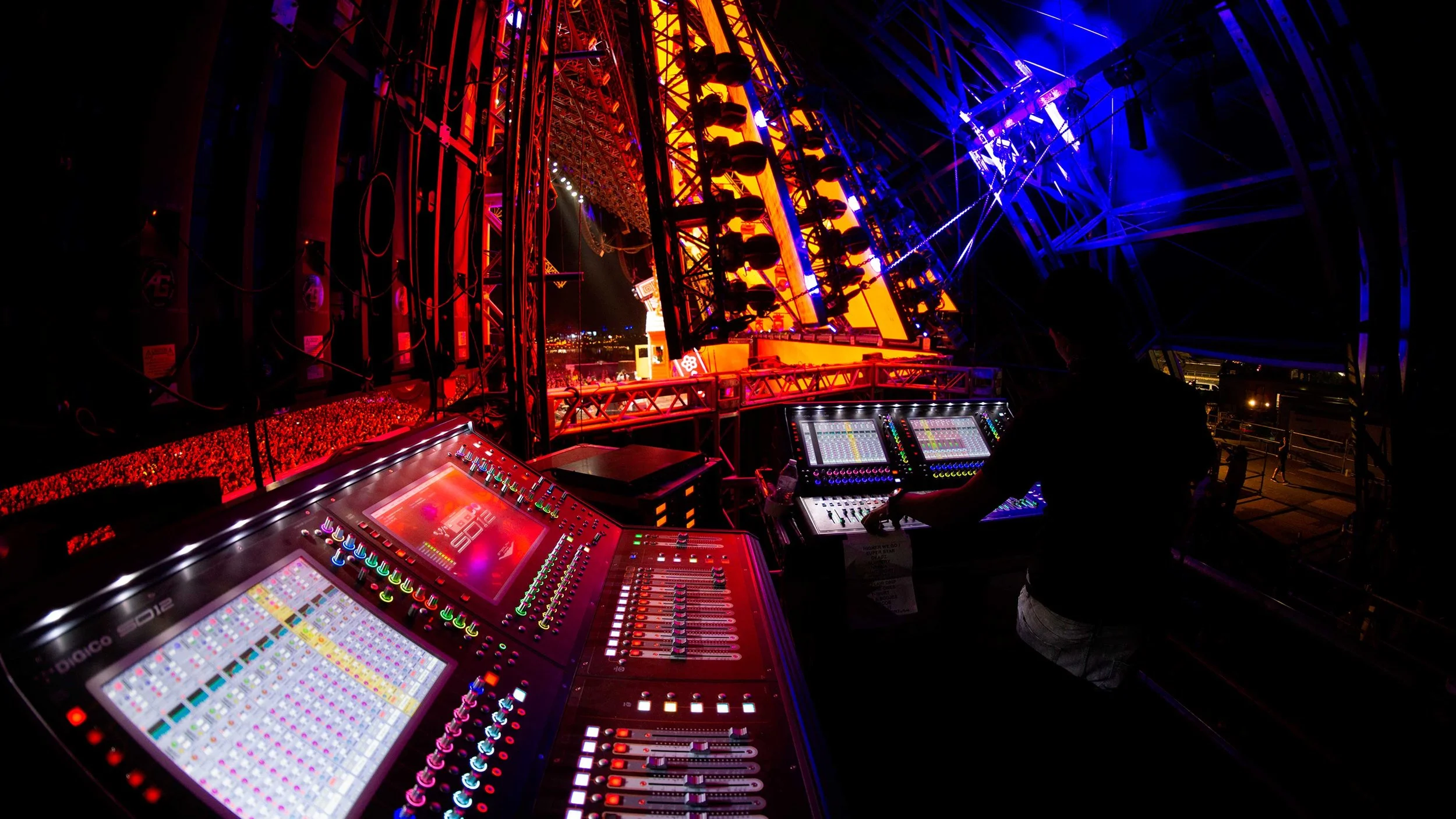
Real world deployments show how artificial intelligence is already reshaping live sound at scale. At Coachella, AI-assisted systems help synchronize lighting with audio cues while dynamically adjusting sound levels in real time. Advanced algorithms continuously analyze incoming audio signals, fine tuning EQ, compression, and spatial balance on the fly. The result consistent, high-quality sound for massive crowds whether listeners are front row or hundreds of meters from the stage.
In broadcast environments, AI-powered stem demixing has become a game changer. By separating drums, bass, vocals, and instruments from a mixed signal, engineers can remix performances after the fact or enhance live broadcasts. This technology has been used to restore and improve historical recordings most notably in projects involving Led Zeppelin live archives. A similar approach made headlines when AI isolated John Lennon’s vocals from old demo recordings, enabling the production of what was described as the Beatles’ “final song.”
AI is not limited to large festivals or legendary artists. Smaller venues and community spaces are adopting it as well. Churches, for example, use tools like Waves AQ to automatically mix worship bands, delivering polished, professional sound without the need for a full time audio engineer. Touring and experiential platforms such as WVL Carnival go a step further, deploying AI-driven “Circuit Scouts” that analyze local audience preferences and acoustic conditions to optimize sound system tuning for each venue.
In classical music, AI presents both innovation and challenge. While generating or enhancing pop and electronic music is relatively straightforward, classical performances with their extreme dynamic range and nuanced timbral detail push AI systems to their limits. This has driven new research into perceptual salience, teaching AI to prioritize the most emotionally and musically significant elements of a performance rather than simply maximizing loudness or clarity.
Together, these case studies reveal a clear trend AI is no longer experimental in live sound it’s operational, scalable, and evolving rapidly across genres and venue sizes.frameworks for better fidelity.
AI’s Expanding Role in Live Sound
Looking ahead, artificial intelligence is poised to redefine the future of live entertainment. Venues may soon deploy AI powered personalization through mobile apps, allowing audiences to adjust their own audio mix preferences vocals louder, bass deeper, or ambience more immersive without affecting the house mix.
Generative AI is also emerging as a creative force. Platforms like Aimi.fm hint at a future where custom, evolving soundscapes are generated in real time for concerts, brand activations, and experiential events. Each performance could feature a unique sonic identity shaped by crowd energy, location, and context.
However, challenges remain. Over automation risks stripping away the raw emotion and unpredictability that make live music powerful. Ethical concerns particularly around job displacement for engineers and technicians are actively debated across professional forums. Still, most industry experts agree AI is a tool, not a replacement. Human intuition, taste, and decision-making remain irreplaceable.
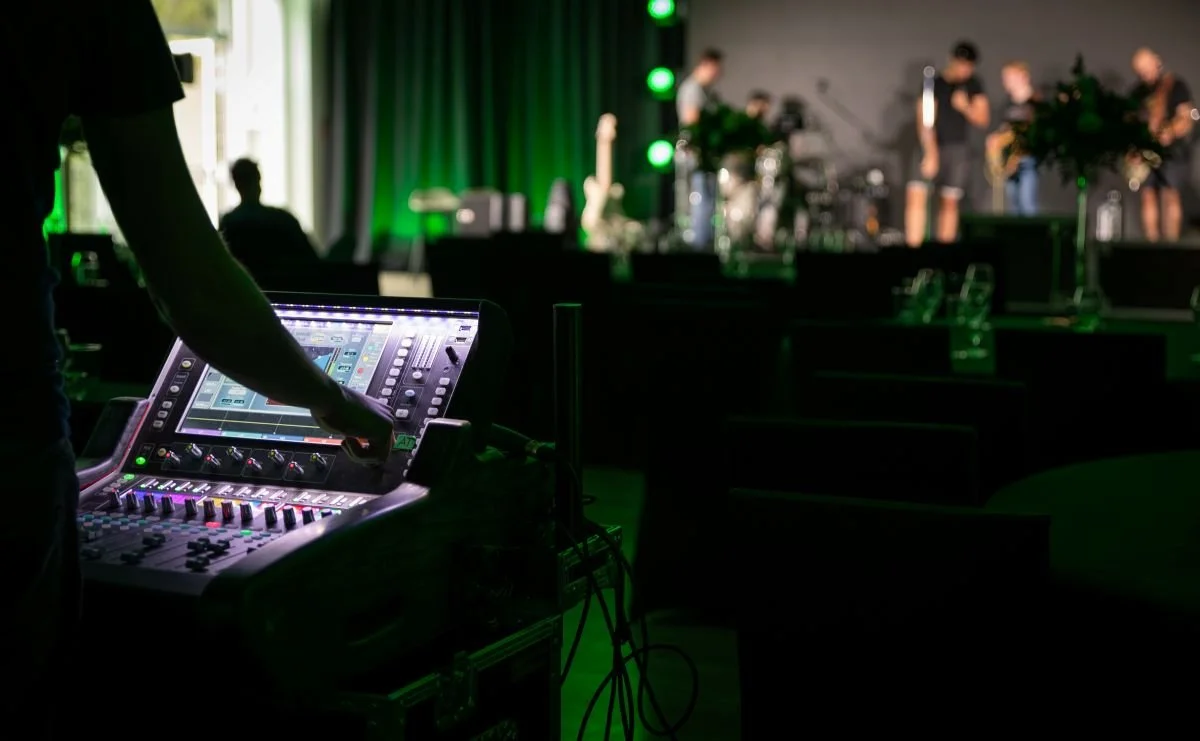
In broadcast and streaming, AI is already streamlining workflows automating editing, mastering, and loudness optimization. For DJs and live performers, AI based stem separation enables on the fly remixing, transforming traditional sets into dynamic, interactive performances. Meanwhile, procedural audio, inspired by game engines, is opening doors to physics-based sound simulation that reacts naturally to movement and space.
By 2030, AI could unlock hyper immersive concert experiences, seamlessly blending physical venues with virtual layers where sound, visuals, and audience interaction evolve in real time. The future of live sound isn’t about replacing humans it’s about amplifying creativity beyond today’s limits.
The Quiet Symphony of AI in Concerts
AI is quietly transforming live concert sound from a reactive craft to a predictive art form. By automating tedious tasks, enhancing immersion, and enabling synchronization, it allows engineers and artists to focus on what matters connecting with audiences. From Coachella's vast fields to intimate venues, AI ensures every note resonates perfectly.
As technology evolves, the line between human creativity and machine assistance will blur, but the heart of live music the thrill of the moment remains unchanged. Next time you're at a concert, listen closely that flawless sound might just have a touch of AI magic.
