 (585) 405-4375
 contact@echotonemusic.net




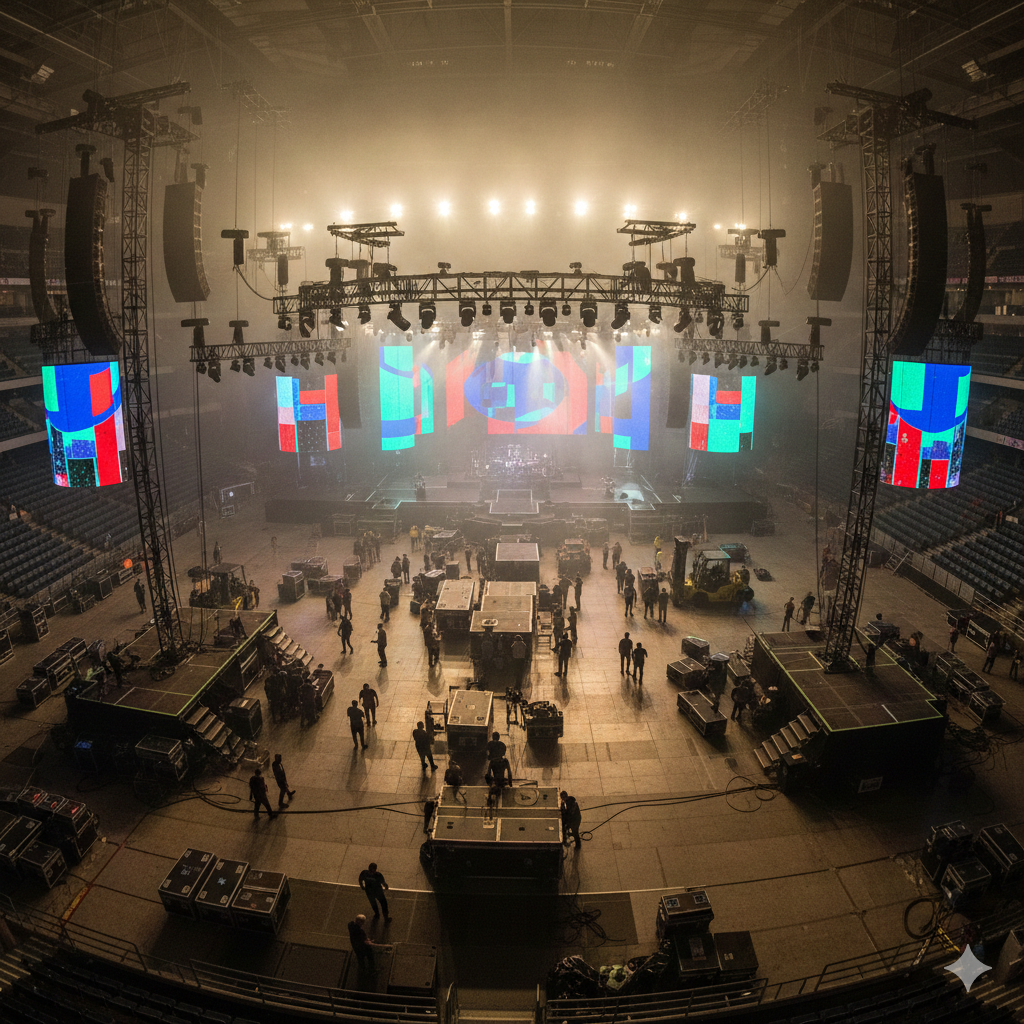
A New Era of Touring Is Here
Every few decades, the live music industry quietly shifts. Sometimes it happens through technology the jump from analog to digital, the rise of in-ear monitoring, the introduction of networked audio. Other times, it happens because audiences themselves change, bringing new expectations and new energy. But the shift happening today is different.
A new generation of artists is entering the touring world artists who grew up online, built their identities through DIY production, and cultivated fanbases before ever stepping onto a stage. They come from TikTok, SoundCloud, YouTube, indie collectives, bedroom studios, and communities scattered across the internet. Their music moves fast, their visuals are bold, and their shows demand an entirely new kind of flexibility.
And quietly, behind the scenes, touring crews across the world are transforming the way live shows are built, mixed, and experienced to adapt to them. This is the story of those crews the engineers, techs, designers, and problem-solvers who are redefining what it means to bring an artist’s vision to life on stage.
The Artists Who Arrive Without a Rulebook
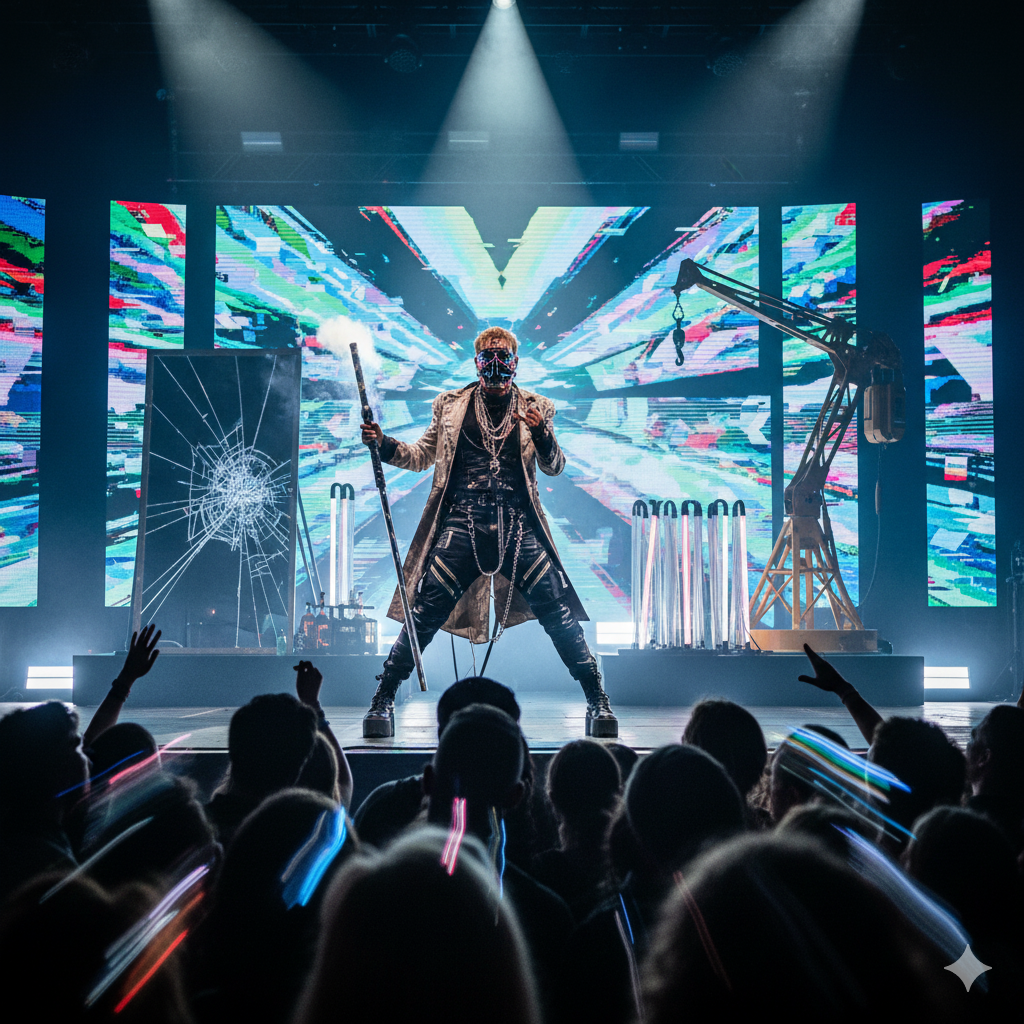
Ten years ago, most acts that hit the road followed a fairly predictable path. They released albums through traditional labels, built a touring cycle, rehearsed for months, and performed music arranged by a band director or playback engineer.
Today, it’s not unusual for a viral artist to get booked for a festival before they’ve ever performed live.
These new artists arrive without a template. Some have only performed into a laptop microphone. Others have never mixed their vocals outside of their bedroom. Many have never used in-ear monitors, never heard their song played through a PA, and never rehearsed with a live engineer. This is where touring crews step in not just as technical experts, but as translators.
They take the raw creative energy of this new generation and transform it into a full-scale show that feels authentic, powerful, and modern. Instead of saying, “Here’s how we do things,” they ask, “Who are you, and how do we make a show that feels like you?”
It’s a subtle shift, but one that’s changing the entire touring landscape.
Sound Engineers Are Becoming Creative Partners
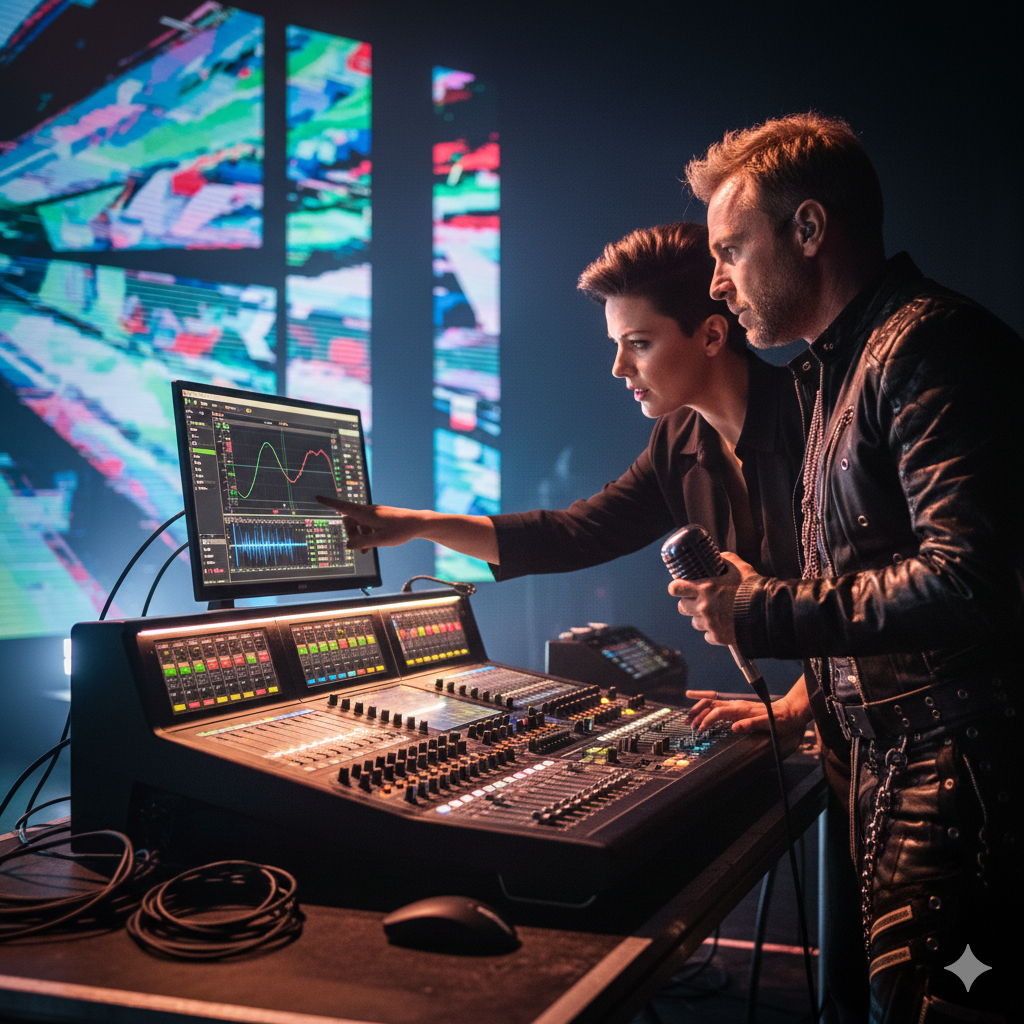
There was a time when front-of-house engineers focused purely on technical execution: microphone choices, EQ curves, gain structure, system tuning. Today, many are becoming collaborators, shaping the sound of an artist’s live identity.
This is especially true for younger artists whose recorded tracks rely on heavy production stacked harmonies, layered samples, effects-driven vocals, or atmospheric textures that don’t translate easily to a stage.
Live engineers now spend more time exploring questions like:
What parts of the studio version define the artist’s identity?
Which layers should exist live?
How should the vocal feel: intimate, raw, aggressive, dreamlike?
What elements need to be recreated, and which should be reimagined for the stage?
These conversations are happening earlier in the process and more personally. Instead of the engineer simply adapting to a preset show design, they help build the sonic world long before the first soundcheck.
In many cases, younger artists trust their engineers the same way they trust producers in the studio. Engineers help them learn how to hear themselves, how to perform with confidence, and how to translate emotion through speakers instead of headphones.
A decade ago, this level of collaboration was rare. Today, it's becoming the norm.
The Rise of Hybrid Performances
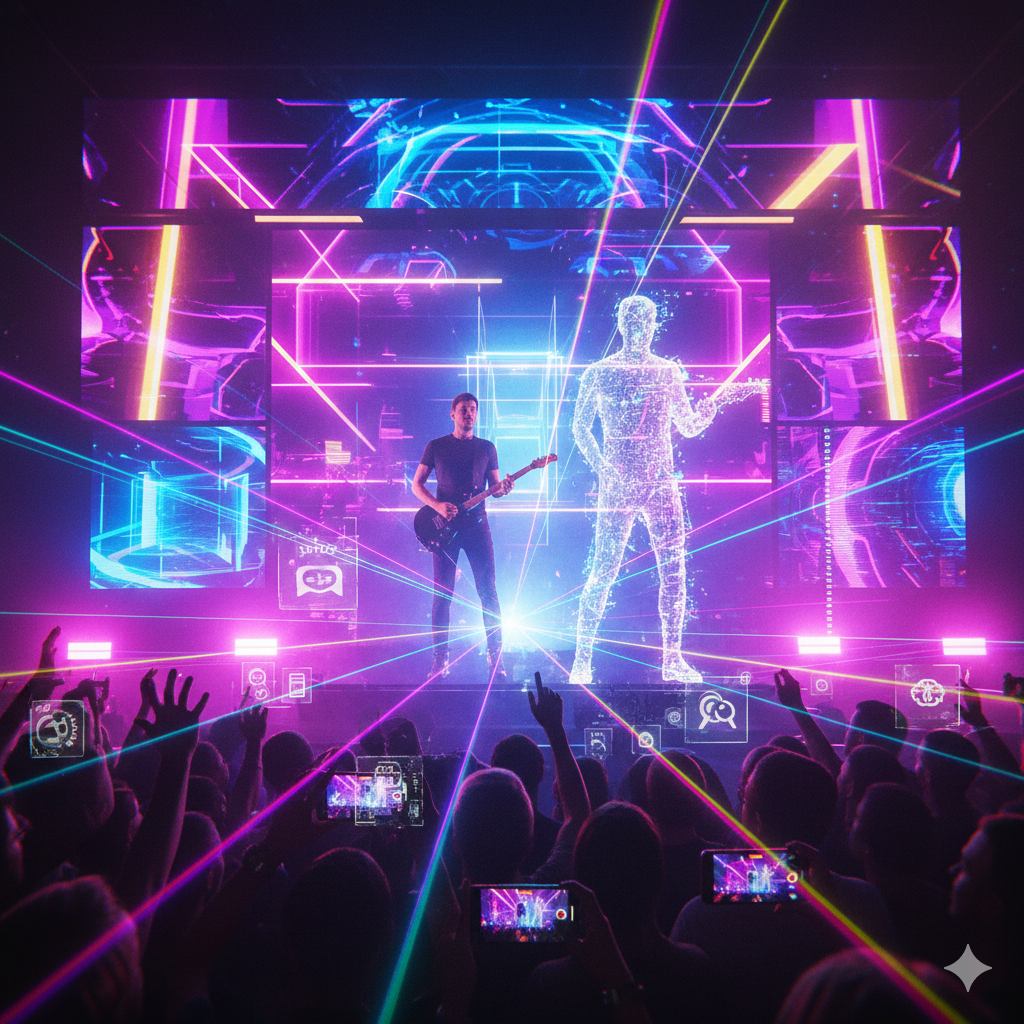
Modern artists often blend genres, roles, and formats. A single show might include live vocals, DJ sets, guitar solos, scripted interludes, transitions built from stems, dynamic lighting changes, and spontaneous crowd interactions. Touring crews now build shows that are half-concert, half-cinematic performance.
A new wave of playback engineers is emerging professionals who treat stems, samples, and digital arrangements as an evolving instrument. They work with artists to create transitions that match narrative themes, energy shifts, or emotional beats in the show.
Lighting designers do the same, building visual arcs that align with social-media-driven aesthetics while staying responsive to live moments. Video directors integrate reactive content, motion graphics, and real-time effects that sync with both the music and the artist’s movements.
This creates a new kind of touring environment a hybrid platform that merges live spontaneity with digital precision.
For touring crews, this means developing systems that can pivot instantly. They need rigs that are rugged but fluid, digital setups that are complex but adaptable, and workflows that allow creativity to change daily.
Some crews call it “controlled chaos.” Others call it the future.
Younger Artists Expect Faster Changes And Crews Are Delivering
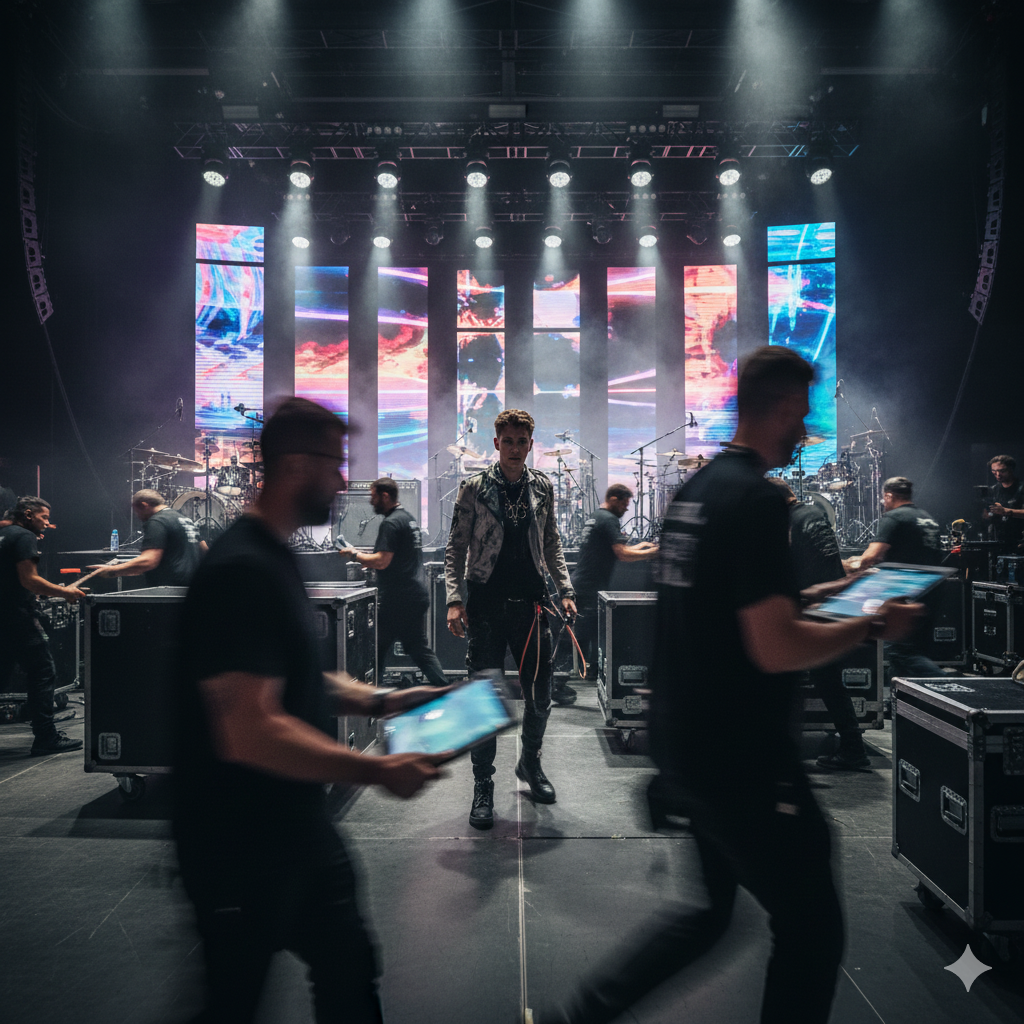
One of the biggest shifts the industry has seen is the speed at which artists evolve. A viral moment might change an artist’s entire setlist overnight. A new track uploaded at 3 a.m. might become the show opener the next day. A TikTok trend can inspire an entirely new arrangement before the next tour stop. Touring crews have learned to operate in real-time.
Lighting directors now build programmable templates instead of fixed scenes. Playback systems are configured for plug-and-play changes. Monitor engineers maintain multiple mixes that can swap on the fly. Front-of-house engineers prepare for sudden drops, rewrites, or new stems. Video teams design modular content that can be rearranged in minutes.
The strict structure of traditional touring is giving way to a more fluid workflow that supports the pace of online culture.
A show no longer needs a month of rehearsal it needs a crew capable of adapting the moment an artist’s vision shifts.
The Emotional Learning Curve

Every great touring engineer knows that their job isn’t only technical. It’s emotional.
Younger artists often arrive on tour with expectations shaped by social media where everything is perfect, polished, edited, and controlled. They step onto a stage where nothing is ever controlled. Sound waves behave differently from venue to venue. Monitors change. Feedback exists. Reality has friction. This creates a steep learning curve.
Crews help guide artists through it teaching them how to listen to themselves, how to pace their energy, how to communicate during a show, and how to trust the team around them.
Some artists have never worn in-ear monitors before touring. Some have never heard their voice amplified. Others have never performed under pressure or navigated the unpredictability of a live crowd.
The crew becomes a support system not just technically, but emotionally. They know how to calm nerves, how to adjust mixes to give artists confidence, and how to interpret feedback that isn’t always easy to articulate.
For many new performers, their touring crew becomes the closest thing to a band a group of people who understand their sound, their personality, and the world they’re trying to create.
Diversity in the Crew: A Generational Shift
Another major change is who is joining the crew itself. More women. More young engineers. More technicians who started on laptops instead of mixing boards. More people from nontraditional backgrounds students, independent filmmakers, bedroom producers, visual artists, and creators who learned through online communities.
This new generation brings skills shaped by the digital world:
- Network audio
- Hybrid workflows
- Controller-based mixing
- Digital playback
- Live show programming
- Real-time effects processing
They also bring a fresh perspective one that resonates with the artists they work with. Because the truth is the shift in touring culture isn’t only about the performers. It’s about the crews who understand them.
These new engineers speak the same creative language, grew up with the same tools, and share similar cultural references. That connection allows them to translate artistic ideas into technical execution in ways previous generations couldn’t.
The Globalization of Touring
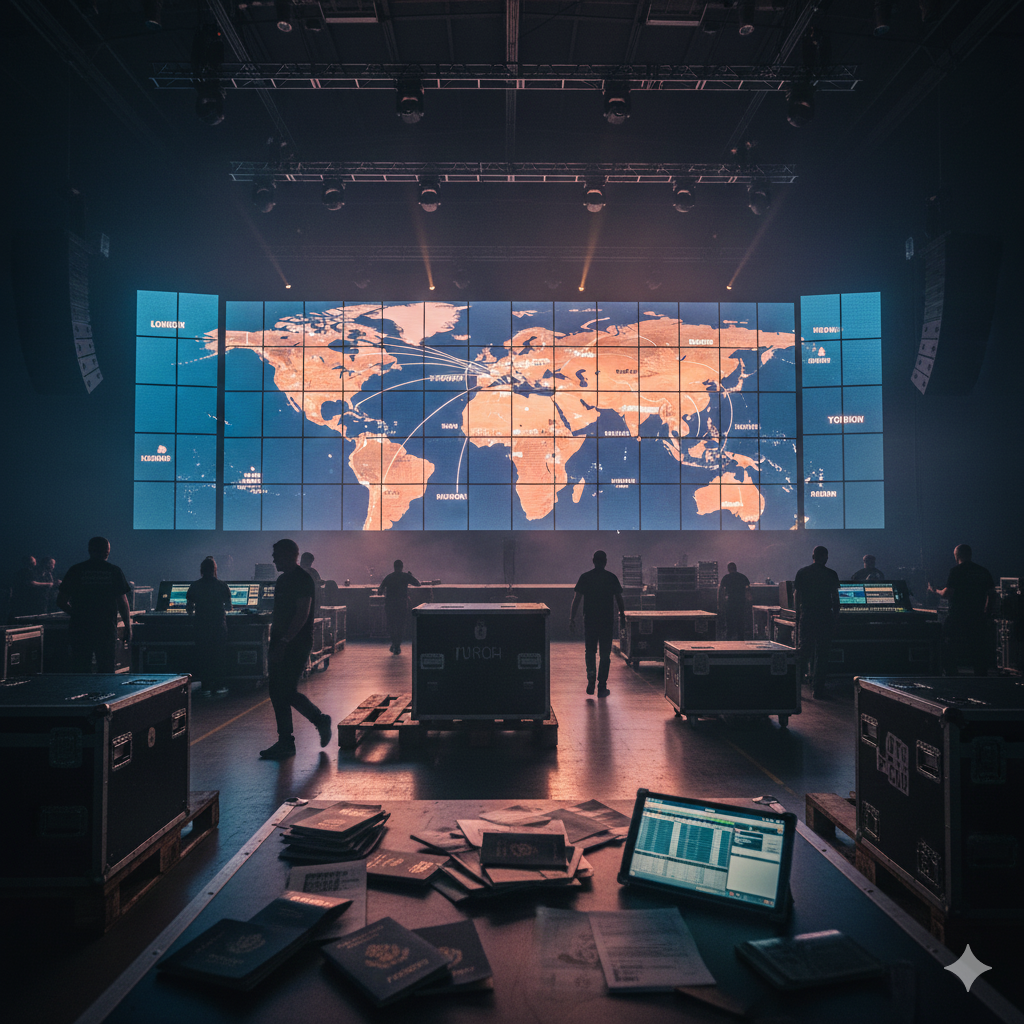
Modern artists reach global audiences faster than ever. A viral moment can turn a bedroom musician into an international act in weeks. Tours that once took years to earn now happen early, and crews must navigate international venues, local regulations, language barriers, and equipment differences.
This has created a new reality. Touring crews must be global citizens. They work with local teams across continents, adapting to new acoustics, cultures, and workflows. They navigate power differences, venue limitations, and logistical challenges with creativity and resilience.
They’ve learned how to translate show designs across borders making sure an artist’s identity remains intact whether they’re performing in a 500-seat club in Berlin or a 15,000-seat arena in São Paulo.
This global adaptability is becoming one of the most valuable modern touring skills.
Technology Is Changing, but the Human Element Is Becoming More Important
The tools used on tour today are more powerful than ever. Digital consoles can store entire shows. Networked audio systems allow for complex routing. In-ear monitors create precision that analog systems never could. Playback rigs are sophisticated enough to run entire productions.
But none of it replaces the human element. Fans love the rawness of live shows. Artists lean on their crews for trust, intuition, and interpretation. Mistakes become moments. Spontaneity becomes magic.
The new generation of touring crews understands something essential Technology enhances a show. People bring it to life.
The best engineers still rely on their instincts when to push a vocal, when to pull the band back, when to change the lighting, when to adapt to the energy of the crowd.
That human element is what makes live music irreplaceable.
Stories From the Road: A New Kind of Show
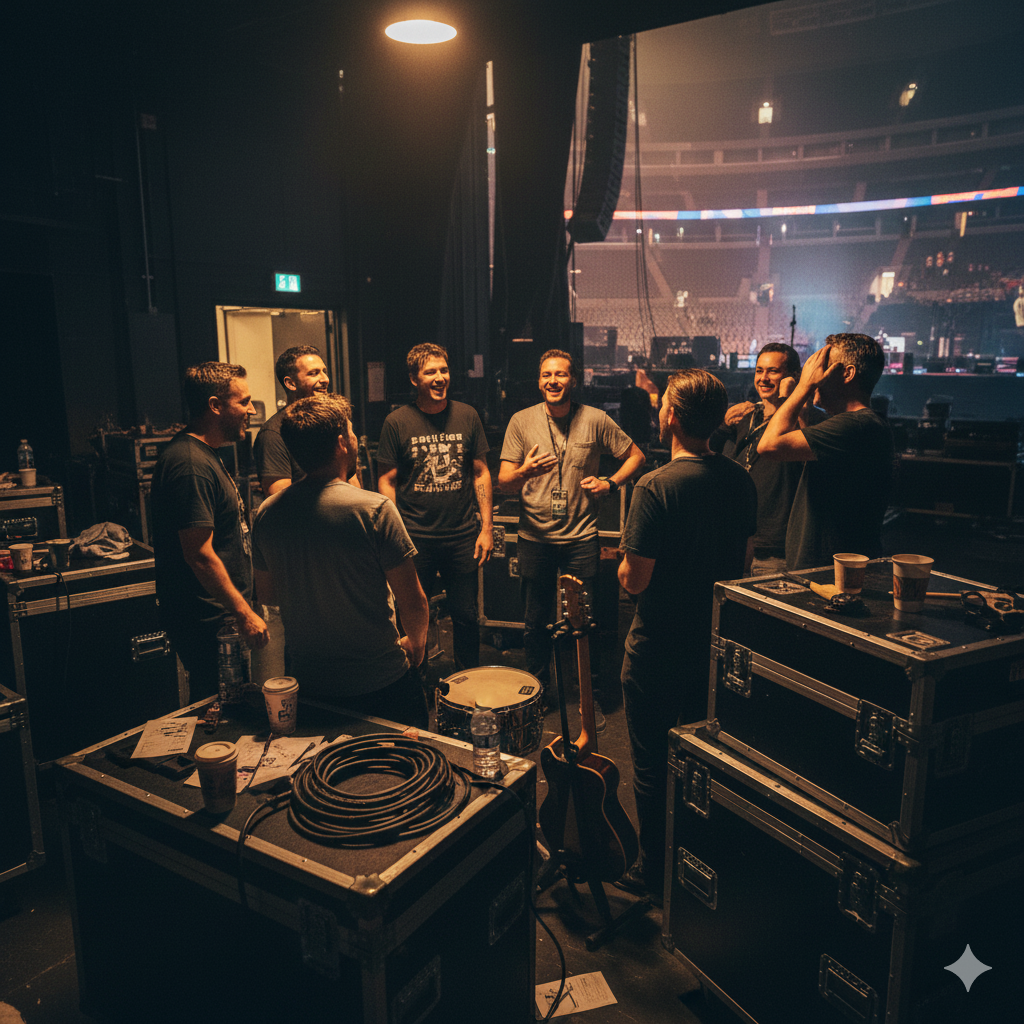
There are countless examples of modern touring crews adapting to this new artistic landscape. A rising indie-pop artist added an entire dance break to a song halfway through a tour and the crew reprogrammed the lighting, playback, and transitions overnight.
A hip-hop artist decided ten minutes before going on stage that he wanted to open with a different track and the FOH engineer reshaped the mix in real time.
A producer known for atmospheric electronic tracks wanted the audience to feel the music physically, not just hear it and the system techs redesigned the low-end energy across the venue.
This is the new reality: shows that exist in constant evolution, shaped collaboratively between artist and crew, night after night.
The Road Ahead: What Touring Will Look Like in the Next Decade
Touring is entering a phase where adaptability is the defining skill. The future will likely bring:
Faster show creation
More hybrid performances
More real-time production changes
Deeper collaboration between artists and crews
More integration of digital and physical elements
Greater diversity in both artists and technicians
But the heart of touring will remain the same people coming together to create moments that can only exist once.
The crews who thrive will be the ones who embrace this new artistic wave the ones who can translate an evolving vision into a living, breathing show that feels fresh every night.
A New Generation, A New Sound, A New Way Forward
In the end, the transformation happening in touring today isn’t only about technology, culture, or music. It’s about connection.
A new generation of artists is stepping into the spotlight with fresh ideas, and touring crews are rising to meet them with open minds, new skills, and a willingness to evolve. They are no longer just delivering shows. They are helping define what live music means in the modern world.
The industry may be changing faster than ever, but the people behind it the engineers, programmers, riggers, designers, techs, and problem-solvers are proving that they can change just as fast.
And because of them, the future of touring doesn’t look uncertain. It looks exciting.
