 (585) 405-4375
 contact@echotonemusic.net





Electronic music has always carried a strange and beautiful truth it never stays still. It is one of the few genres that refuses to age. Every generation finds new textures, new rhythms, new ways of bending machines into emotional instruments. But today, something even more transformative is happening. A new wave of rising producers is emerging not just pushing electronic music forward, but redefining the very idea of what electronic music can be.
From viral bedroom producers like PinkPantheress to genre-benders like Fred again, from groove-driven visionaries like Kaytranada to next-gen innovators like TSHA, ISOxo, and Nia Archives, a new movement is taking shape. It is global, it is fearless, and it refuses to follow any formula that came before it.
This isn’t a trend. It’s a shift in the DNA of modern sound.
A New Generation Without Borders
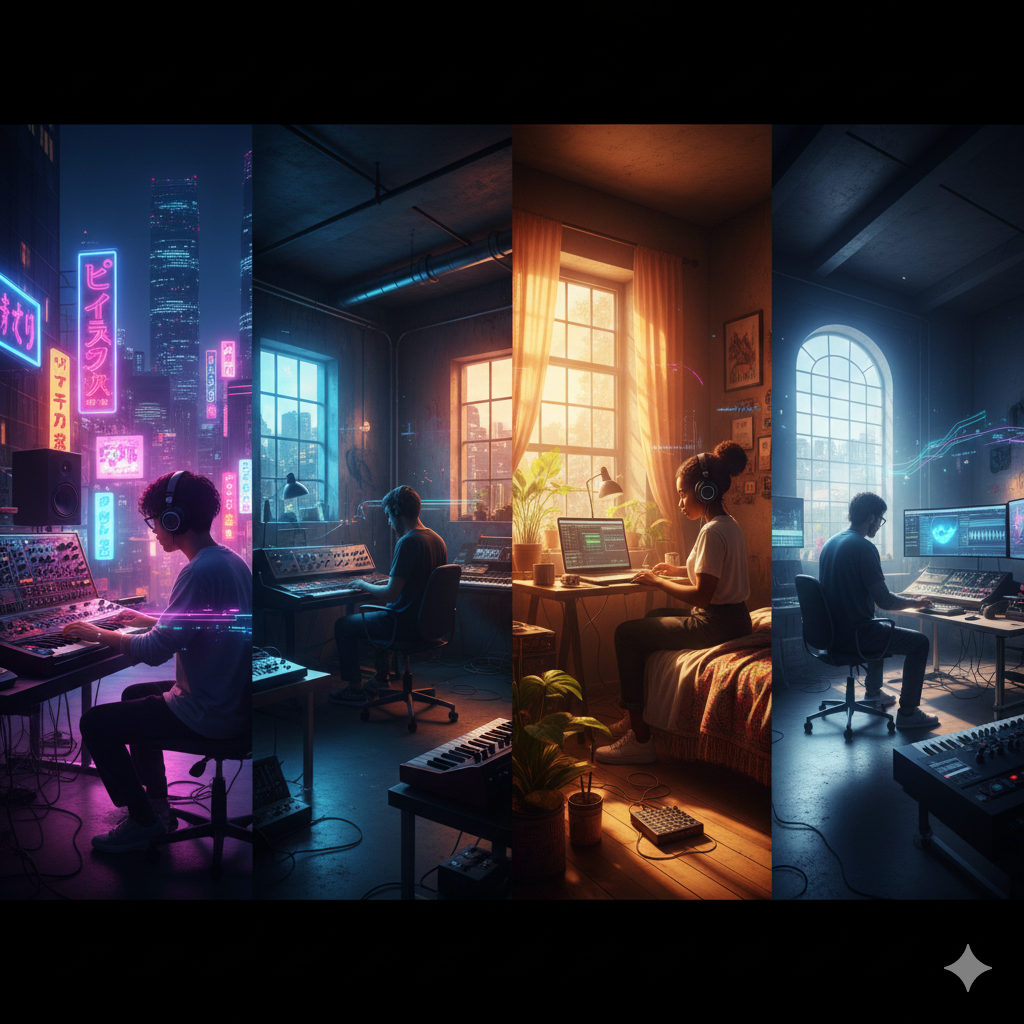
There was a time when producers were shaped by geography. If you lived in Berlin, you made techno. If you were from London, drum & bass and garage lived in your DNA. Los Angeles meant EDM or future bass. Brazil brought baile funk. South Africa brought gqom and amapiano.
But now? The borders are gone. A 20-year-old producer in Manila is blending Jersey club drums with K-pop melodies. A producer in Nairobi is mixing amapiano log drums with future garage synths. And a kid in Manchester might pull inspiration equally from Burial, Flume, Skrillex, Disclosure, and Rosalía all in the same session.
The rising producers shaping tomorrow’s electronic sound aren't local artists anymore; they’re global voices creating work that travels across continents in seconds. And they’re learning from the best.
Peggy Gou brought Korean and Berlin club culture into the same bloodstream. Chase & Status revived jungle for an entirely new generation. Overmono blurred techno, breaks, and UK rave nostalgia into something futuristic. Fred again.. turned intimate voice notes into stadium-level emotional electronic music. Nia Archives made jungle feel young again—raw, soulful, effortless.
These artists didn’t just innovate the sound of electronic music. They unlocked the paths the next wave is now sprinting down.
The Bedroom Studio Revolution
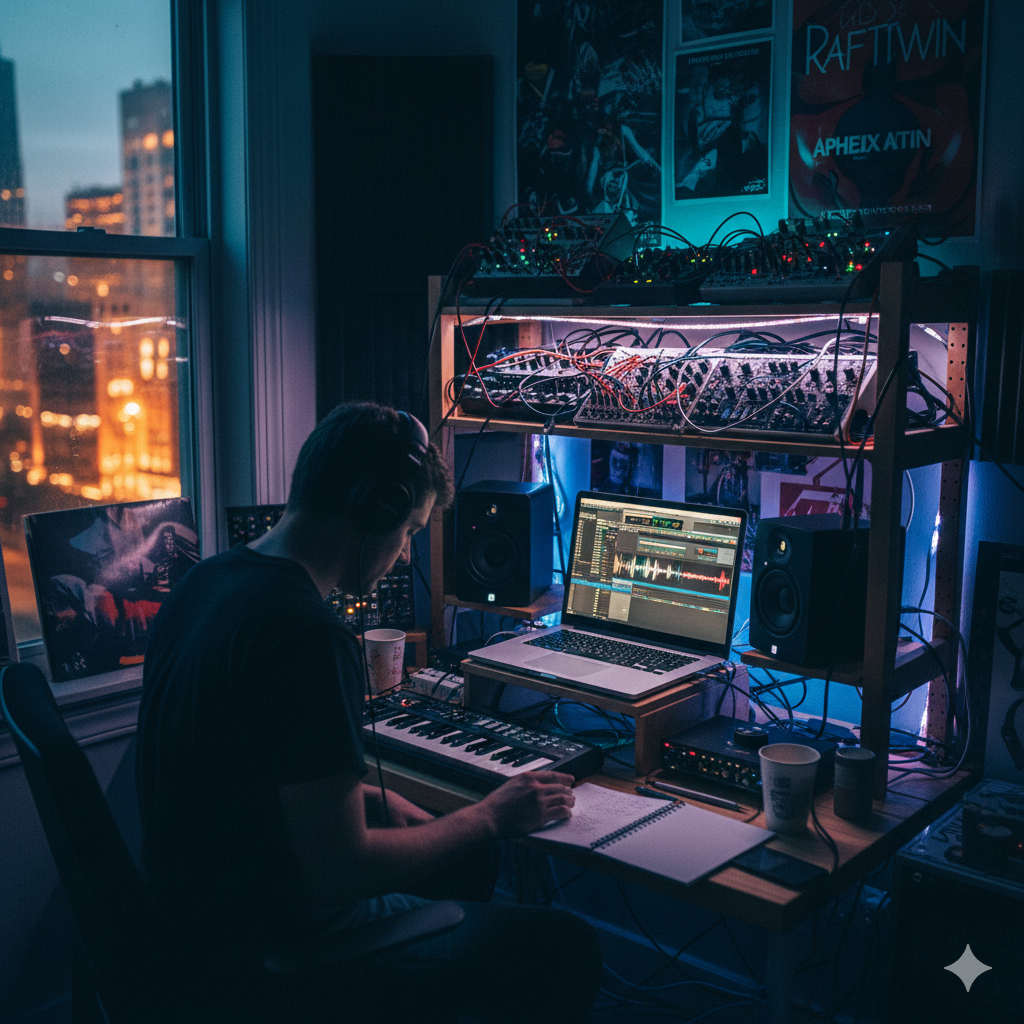
Walk into the home of almost any rising producer today and you’ll see a familiar scene: a compact desk, a laptop, a pair of studio monitors, a MIDI controller, and a single microphone. It’s a minimal setup yet it’s the birthplace of some of the most forward-thinking electronic music of this generation.
What’s interesting is how different this reality is compared to the last few decades. There was a time when home studios had almost nothing maybe a cassette recorder, a keyboard, and a cheap mixer. To make professional-level electronic music, producers needed access to massive consoles, entire racks of processors, walls of synths, and expensive outboard gear tucked inside acoustically treated rooms.
Then the world shifted. As pro audio equipment became more affordable, mass-produced, and easier to purchase online, home studios suddenly began to resemble real professional setups. Producers could buy the same rack units, interfaces, or synth modules used in major studios all without needing a label budget backing them.
But here’s the twist even with all that access, the modern producer doesn’t need a giant studio anymore. The large-format consoles and multi-room facilities that were once essential have become optional. Today’s artists are proving that a stripped-down space, powered by a DAW and a few carefully chosen tools, is enough to build a career, shape a sound, and reach a global audience.
Producers Are Becoming Storytellers
The new wave of electronic producers doesn’t think of themselves as beatmakers. They think in narratives. They build emotional universes. They create experiences.
This is why someone like Fred again.. resonates so deeply. His albums aren’t just collections of tracks; they’re audio diaries stitched together with voice memos from friends, strangers, and people he met during moments that changed him. It’s documentary-style electronic music.
Or take Kaytranada, whose production feels like a conversation between rhythm and soul. His grooves tell stories before the vocals even arrive. Producers like TSHA do the same bringing warm, organic textures into electronic landscapes that feel deeply personal.
Even in the harder, more experimental corners of the scene, storytelling is reshaping the way people listen. ISOxo, Knock2, and the whole new wave of American bass producers aren’t just making festival heaters; they’re building emotional arcs out of chaos, drop after drop, texture after texture. Electronic music is becoming novelistic. And these producers are becoming the authors.
A Sound Defined by Hybridity
What makes this era so fascinating is how comfortable rising producers are with contradiction. They’ll blend softness with aggression. Analog warmth with digital glitches. Broken rhythms with soothing harmonies. The next generation doesn’t care about genre loyalty. They care about curiosity.
Listen to what’s rising now:
Jungle and DnB infused with R&B vocals, led by artists like Nia Archives.
Techno influenced by pop songwriting energy, pioneered by Peggy Gou and The Blessed Madonna.
Ambient meets trap meets IDM, championed by producers like Overmono, Surusinghe, and DJ Python.
Global rhythms—afrobeats, amapiano, baile funk—woven into EDM structures by artists like Major League DJz and BabySantana.
Hyperpop collapsing into club music, driven by artists like Laura Les, umru, and osquinn.
The beauty of this moment is that none of these hybrids feel forced. They feel inevitable.
Electronic music has finally become the genre where everything belongs.
Technology Is Becoming an Instrument
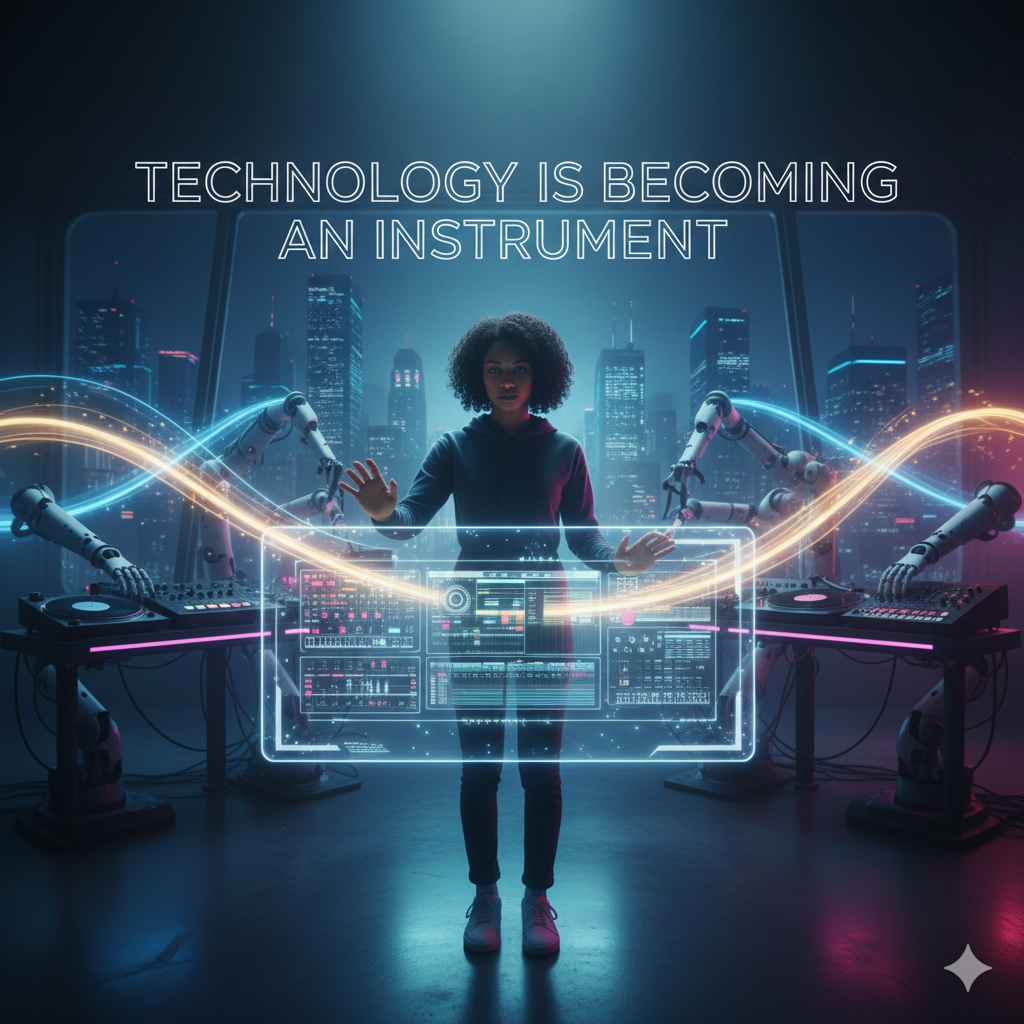
The rising wave of producers understands something older generations had to learn slowly
software is a creative instrument, not just a tool. Digital audio workstations like Ableton and FL Studio aren’t just recording platforms they’re canvases. Virtual synths like Serum and Massive are as expressive as a violin. And platforms like Splice, Landr, and online collaboration servers have changed the speed and culture of production entirely. The jump in creative potential is enormous.
Producers like Skrillex, Porter Robinson, Flume, and James Blake showed that electronic production could be deeply emotional and musically sophisticated. That energy is now being multiplied by thousands of rising producers who treat their DAW like a playground for invention. And because technology evolves faster than genres, tomorrow’s sound is always one update away.
Live Performance Is Becoming Cinematic
One of the most astonishing parts of this movement is what rising producers are doing on stage. The days of “producer stands behind a table” are fading fast. Artists like Fred again.., ODESZA, Bonobo, RÜFÜS DU SOL, and Sofi Tukker have redefined what a live electronic show looks like bringing drums, choirs, modular synths, orchestral elements, and cinematic visuals into the mix.
Rising artists are following suit. 2024 and 2025 saw new producers like Overmono, Sam Gellaitry, Ross From Friends, Mindchatter, IMANU, and Knock2 bring multi-layered setups to venues that used to only host DJ decks.
The focus is shifting from playlists to performance. From tracks to emotion. From sets to experiences. Electronic music has never felt more alive on stage.
Collaboration Is the New Engine of Innovation
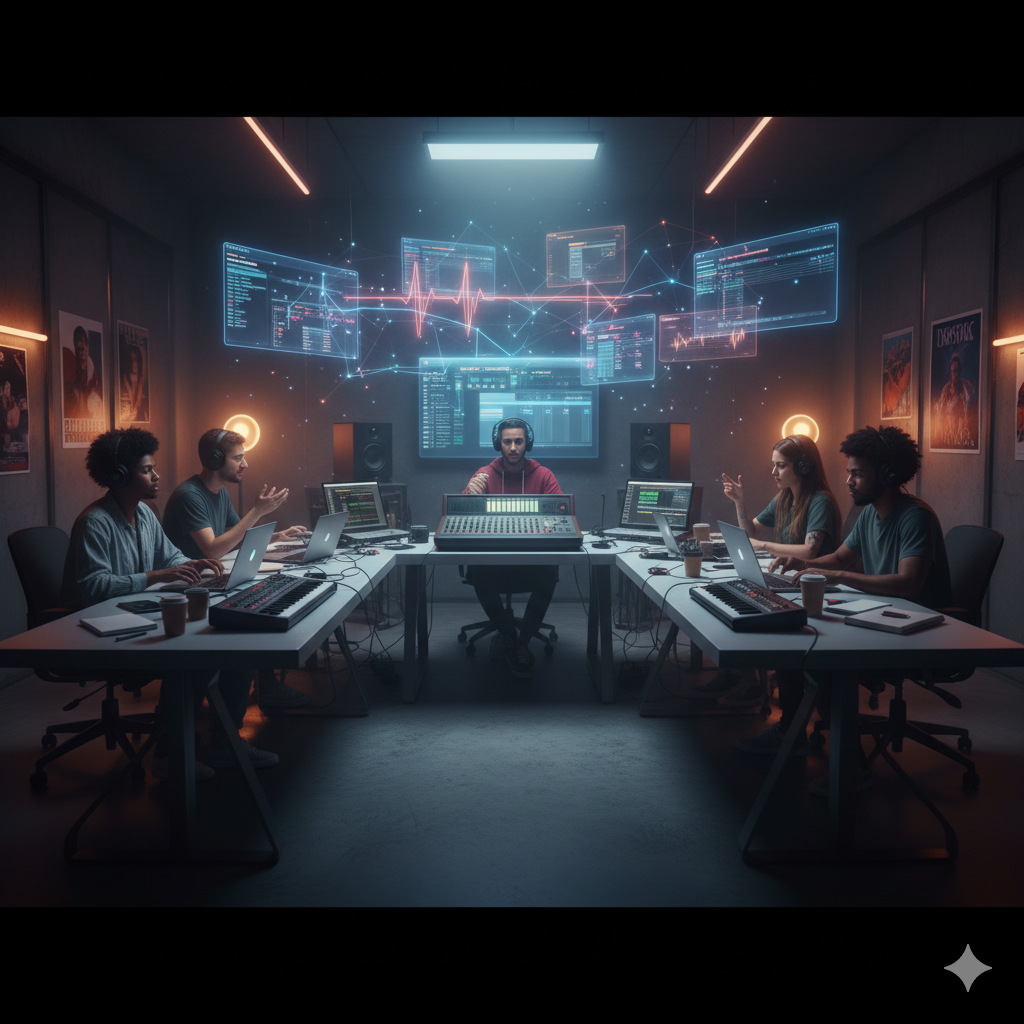
The new generation of producers doesn’t hide in isolation. They collaborate constantly sharing project files, sending stems across continents, remixing each other privately, building small Discord communities that become creative ecosystems.
What you’re hearing in modern electronic music isn’t just individual innovation. It’s collective evolution.
Fred again.. collaborates with Skrillex. TSHA collaborates with Ell Murphy. Kaytranada collaborates with H.E.R., Anderson .Paak, and Channel Tres. ISOxo collaborates with Knock2. Nia Archives collaborates with Jungle, Bea Anderson, and others. Collaboration is no longer a strategy. It’s the culture.
The Future of Electronic Sound Is Already Here
What’s becoming clear is that the next generation of producers isn’t waiting for permission to change things. They're already changing them.
The sound of tomorrow is being shaped by young artists who don’t see boundaries, who don’t follow old rules, and who don’t care what electronic music “should” sound like. They care about what feels true. What feels human. What feels like the future.
Producers like Fred again.., PinkPantheress, Kaytranada, TSHA, ISOxo, Knock2, Nia Archives, Overmono, Peggy Gou, Chase & Status, ROSALÍA, Flume, Skrillex, and hundreds of rising creators are pushing electronic music into its most exciting era yet.
Tomorrow’s sound isn’t arriving sometime in the future. It’s happening right now. And somewhere, in a small bedroom with a laptop and a dream, the next great producer is already working on the beat that will define it.
