 (585) 405-4375
 contact@echotonemusic.net




Inside the Audio Control Rooms That Power Today’s Live Experiences
The Hidden Heartbeat of the Stage
In the dim glow of flickering screens and the hum of amplified signals, a world unfolds far from the spotlight's glare. It's here, in the audio control rooms tucked away at the edges of arenas, festivals, and theaters where the true alchemy of live experiences happens. These spaces aren't just technical hubs they're the nerve centers where sound engineers sculpt the invisible waves that bind performers to audiences, turning raw energy into shared euphoria. For anyone who's ever felt the bass thrum through their chest at a concert or the crisp dialogue cut through a crowded stadium, this is the origin story a tale of precision, pressure, and passion in the pro audio realm.
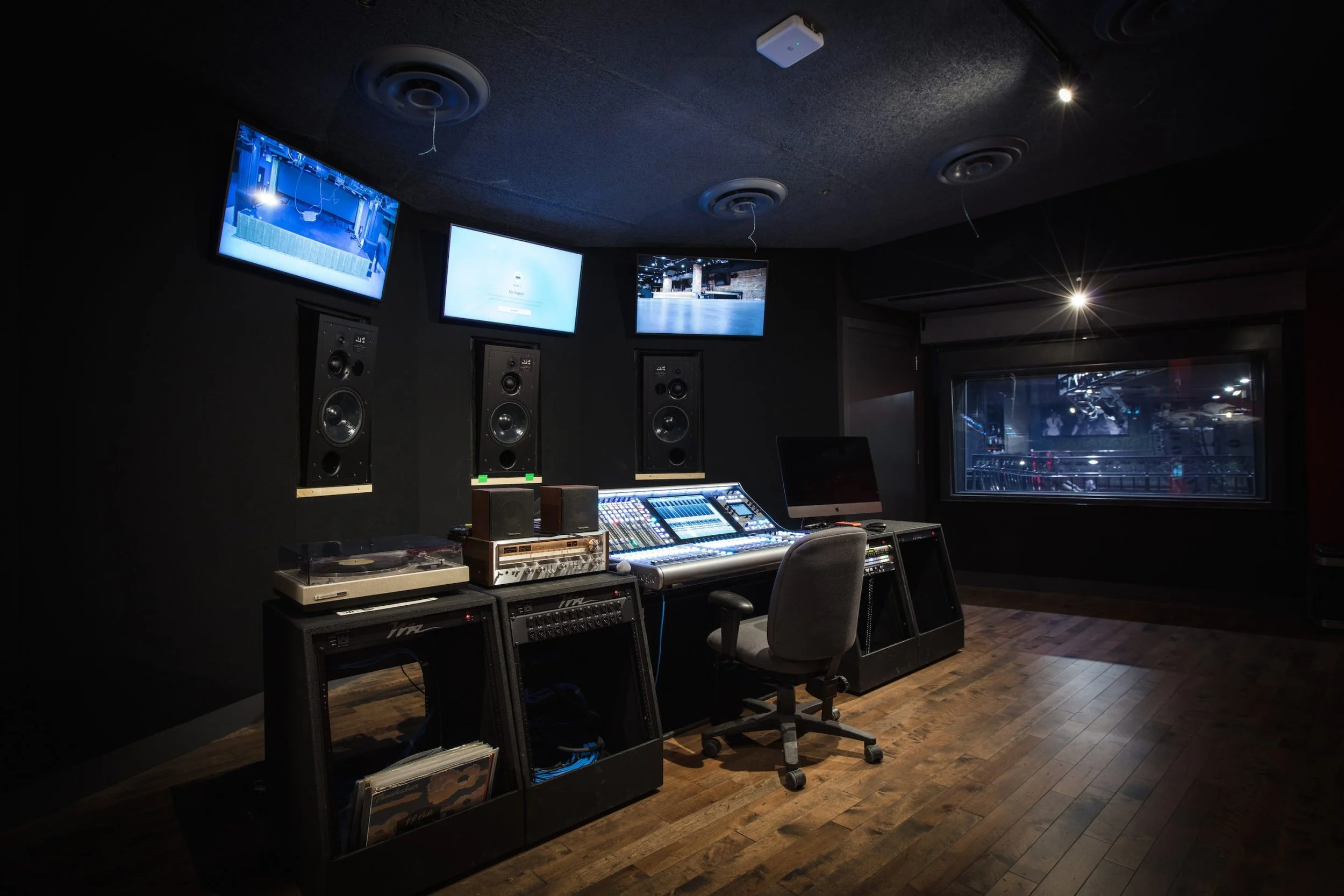
Picture a massive outdoor festival like Coachella or Glastonbury, where tens of thousands gather under open skies. The crowd sways to the rhythm, but behind the scenes, in a makeshift booth elevated above the fray or nestled in a trailer, a team of engineers monitors every decibel. These control rooms vary wildly from sleek, climate controlled suites in modern venues like Madison Square Garden to rugged, weather-beaten setups at remote events. Yet, their purpose remains constant to deliver immersive sound that feels intimate, no matter the scale. In an industry where live events generate billions annually, these rooms are the unsung heroes, blending art and science to create moments that linger long after the lights dim.
The journey into these spaces reveals a blend of tradition and cutting edge innovation. Sound engineers, often veterans with decades of tours under their belts, navigate complex systems that have evolved from analog behemoths to digital marvels. Brands like DiGiCo and Yamaha dominate the consoles, while amplification from L-Acoustics or Meyer Sound ensures clarity across vast distances. But it's not just about the gear it's about the human element the intuitive tweaks, the split-second decisions that prevent feedback or balance a vocal against a thunderous drum kit. As live experiences expand into hybrid formats with streaming and virtual elements, these control rooms are adapting, becoming bridges between physical and digital realms.
From Analog Roots to Digital Dominance: The Evolution of Live Sound Control
The story of audio control rooms in live settings is one of relentless adaptation, mirroring the broader shifts in music and performance culture. In the early days of rock 'n' roll, say the 1960s, control setups were rudimentary often just a few knobs on a makeshift board in the back of a van. Engineers like those working Woodstock in 1969 grappled with primitive PA systems that struggled against wind and mud, relying on sheer volume to cut through. Those early consoles, bulky and prone to failure, demanded a hands on mastery that bordered on improvisation. Fast-forward to the 1980s, and the advent of arena rock brought more sophisticated setups, with multi-channel mixers allowing for separate monitor feeds and front-of-house (FOH) control.
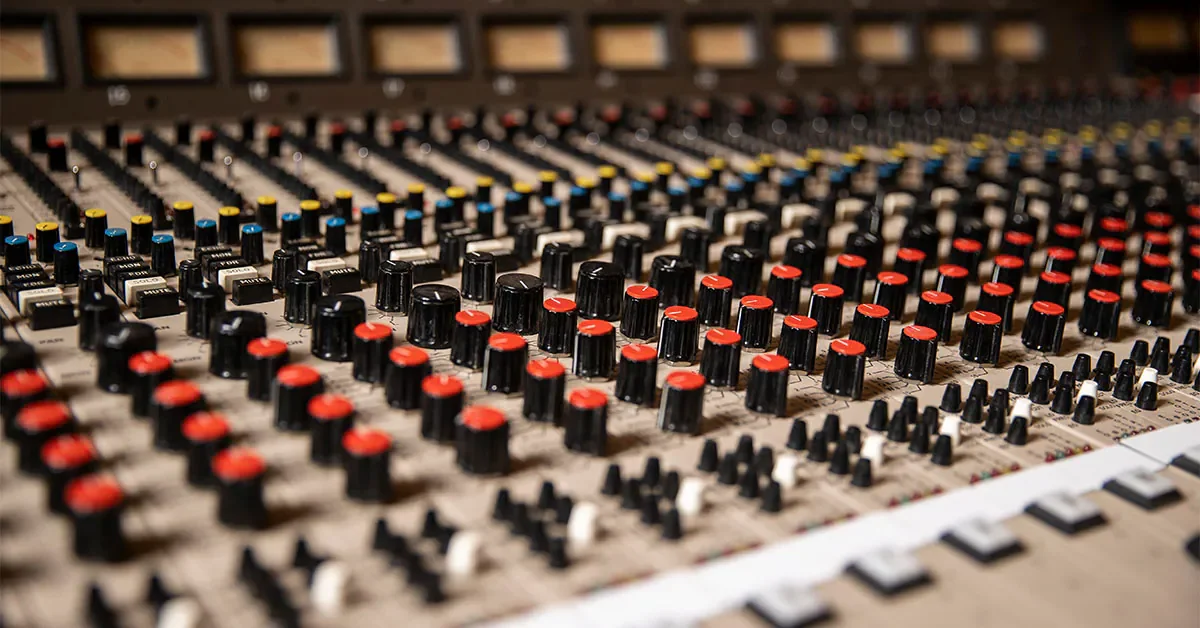
Today, the evolution is stark. Digital mixing consoles have revolutionized the game, offering recallable scenes that let engineers preset mixes for different songs or acts. Take a venue like the O2 Arena in London its control room might feature a DiGiCo SD7, a beast with hundreds of inputs, processing effects in real-time without the hiss of analog noise. This shift wasn't without resistance purists mourned the warmth of tube-driven sound, but the reliability and flexibility won out. Festivals like Tomorrowland exemplify this, where control rooms integrate wireless systems for roaming performers, ensuring seamless transitions across multiple stages.
The rise of software like Ableton Live for playback and Dante networking for signal routing has further transformed these spaces. No longer isolated booths, they're now interconnected hubs, linking to stage tech, lighting cues, and even audience feedback via apps. Engineers recall tales of tours with acts like U2 or Beyoncé, where control rooms evolved into mobile command centers, hauled across continents. This progression underscores a key truth: as audiences demand more immersive experiences think 360-degree soundscapes the control room has become a canvas for sonic artistry, blending historical know how with future proof tech.
A Day in the Mix: Life Behind the Console
Dawn breaks over a sprawling festival site, and already the audio control room buzzes with activity. For a sound engineer like veteran mixer Alex Thompson (a composite of many I've spoken with over years in the industry), the day starts hours before the first note. He arrives at the booth a reinforced tent amid the chaos of Bonnaroo or Lollapalooza checking cables, calibrating speakers, and running sound checks. The room itself is a fortress of screens main console for FOH, sidecar for monitors, laptops for spectrum analysis. Air thick with the scent of coffee and electrical hum, it's a far cry from the glamour onstage.
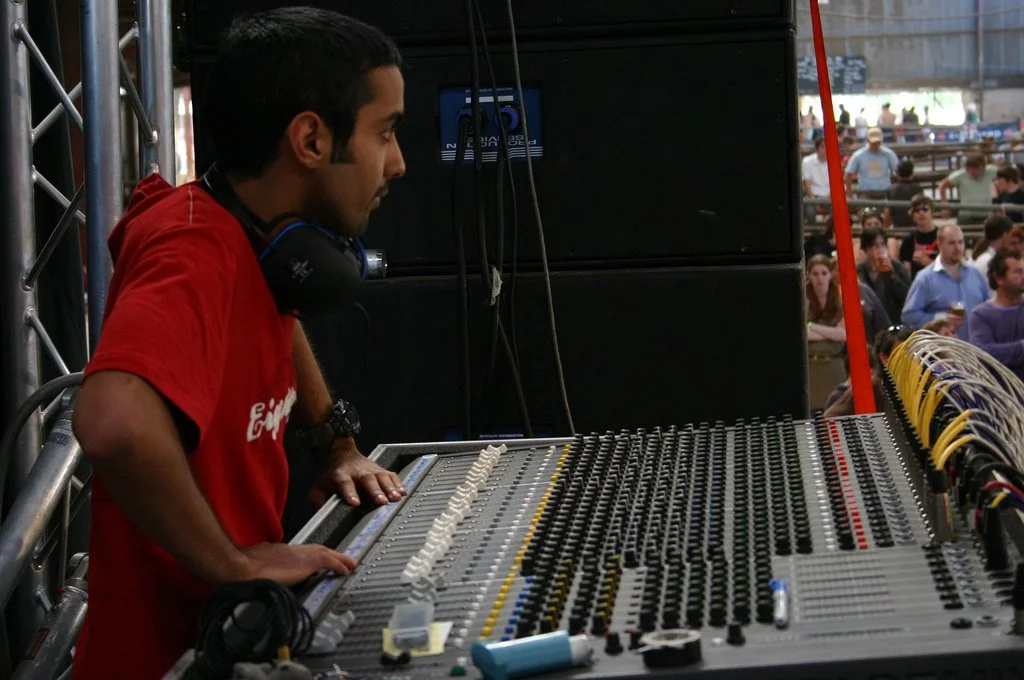
As gates open and crowds swell, the pressure mounts. Thompson balances the mix boosting the kick drum for that visceral punch, taming guitar feedback, ensuring vocals soar without distortion. In a theater setting, like Broadway's intricate productions, the control room might be glass enclosed, overlooking the house, where engineers cue wireless mics for actors mid scene. Challenges arise unpredictably a sudden rain at an outdoor gig mutes highs, or a power surge threatens the system. Thompson draws on experience, recalling a night at Red Rocks where wind played havoc, forcing real-time EQ adjustments.
Collaboration is key. The FOH engineer communicates via headsets with monitor techs onstage, artists' managers, and even pyrotechnics teams to sync sound with visuals. Lunch is a grabbed sandwich between sets, eyes glued to meters. As headliners take the stage, the room transforms into a high-stakes cockpit faders flying, plugins engaged for reverb or compression. Post show, it's debriefs and teardowns, packing gear for the next city. This rhythm defines the life exhausting yet exhilarating, where one flawless mix can make legends. Engineers like Thompson embody the industry's grit, turning technical hurdles into triumphant soundscapes that define live memories.
The Tech Arsenal: Tools That Shape the Sound
At the core of any audio control room lies the mixing console, the engineer's command deck. Modern digital boards, such as the Allen & Heath dLive or SSL Live series, offer layers of functionality parametric EQs, dynamic processors, and virtual effects racks that mimic vintage gear. In a live context, reliability is paramount; these consoles handle hundreds of channels, routing signals from mics, instruments, and playback tracks. Amplifiers and processors from QSC or Crown ensure power delivery, while line array speakers like JBL's VTX or d&b audiotechnik's project sound evenly across venues.
Signal flow is an art in itself. From stage snakes carrying analog signals to digital converters, then through the console for mixing, and out to speakers every link matters. In-ear monitors (IEMs) have changed the game, allowing performers custom mixes via wireless packs, reducing stage volume and feedback risks. Software integration adds depth tools like Smaart for room tuning analyze acoustics in real time, plotting frequency responses to combat echoes in cavernous halls like the Sydney Opera House.
Beyond hardware, automation plays a growing role. Recall functions store mix snapshots, ideal for multi-act events. Networking protocols like AES50 or AVB enable seamless expansion, linking remote racks for larger setups. In sports arenas, control rooms manage announcements, crowd mics, and effects, blending with video feeds. The tech isn't static; updates incorporate AI for auto-mixing, predicting and correcting issues. This arsenal empowers engineers to craft nuanced sound subtle delays for spatial effects or immersive formats like Dolby Atmos in select venues elevating live audio from mere amplification to experiential design.
Navigating the Storms: Challenges in Live Audio Control
No control room operates in a vacuum challenges lurk in every setup, testing the mettle of even seasoned pros. Outdoor festivals present the harshest trials unpredictable weather can drench equipment, while wind scatters sound waves, creating dead zones. Engineers at events like Burning Man combat dust and heat, encasing consoles in protective covers and using redundant systems to avoid failures. Acoustic anomalies abound reflections off tents or uneven terrain demand constant tweaking.
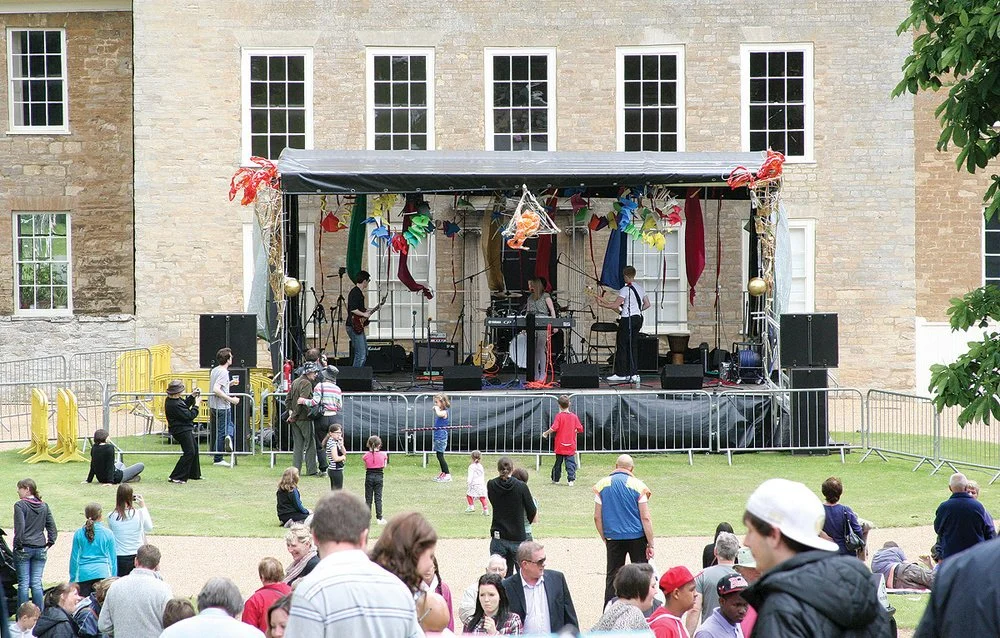
Indoor venues aren't immune. In historic theaters, poor isolation leads to bleed from adjacent rooms, while modern arenas fight HVAC noise or audience chatter. Budget constraints force compromises; smaller gigs might rely on compact setups, limiting channels and forcing multitasking. Health crises, like the COVID era, added layers: spaced-out crowds altered sound propagation, prompting hybrid mixes for streams. Engineers adapted with remote control apps, mixing from isolated booths.
Human factors compound these. Tight schedules mean rushed soundchecks, and artist demands specific IEM mixes or effects require diplomacy. Feedback loops, the bane of live sound, demand vigilant monitoring. Innovations help RF scanners mitigate wireless interference in crowded spectra, while advanced modeling software simulates venues pre-event. Yet, the core challenge remains unpredictability; a blown fuse or vocal strain can derail a show. Stories abound of engineers salvaging gigs through ingenuity, like rerouting signals mid-set. These hurdles forge resilience, pushing the industry toward more robust, adaptive systems that ensure the show goes on.
Echoes of Tomorrow: The Future of Audio Control Rooms
As live experiences blur lines between real and virtual, audio control rooms stand on the cusp of transformation. Immersive tech like spatial audio promises 3D soundscapes, where control rooms integrate VR headsets for virtual mixing engineers "walking" through virtual venues to fine-tune. Festivals might employ AI assistants that auto-balance mixes based on crowd data from wearables, optimizing for energy peaks.

Sustainability drives change energy efficient amps and recycled materials in gear reduce footprints. Hybrid events, post pandemic staples, see control rooms as broadcast studios, mixing for in person and online audiences with low-latency streaming. Quantum leaps in processing could enable hyper-realistic simulations, predicting acoustics in unbuilt venues. Engineers envision modular, cloud-based systems where mixes collaborate globally in real-time.
Yet, the human touch endures. Amid tech advances, the essence capturing emotion through sound remains. As AR overlays enhance setups, control rooms might become collaborative spaces, blending disciplines. The future isn't about replacing pros but empowering them, ensuring live experiences evolve while honoring their roots. In this ever shifting landscape, these rooms will continue powering the heartbeat of performance, one wave at a time.
